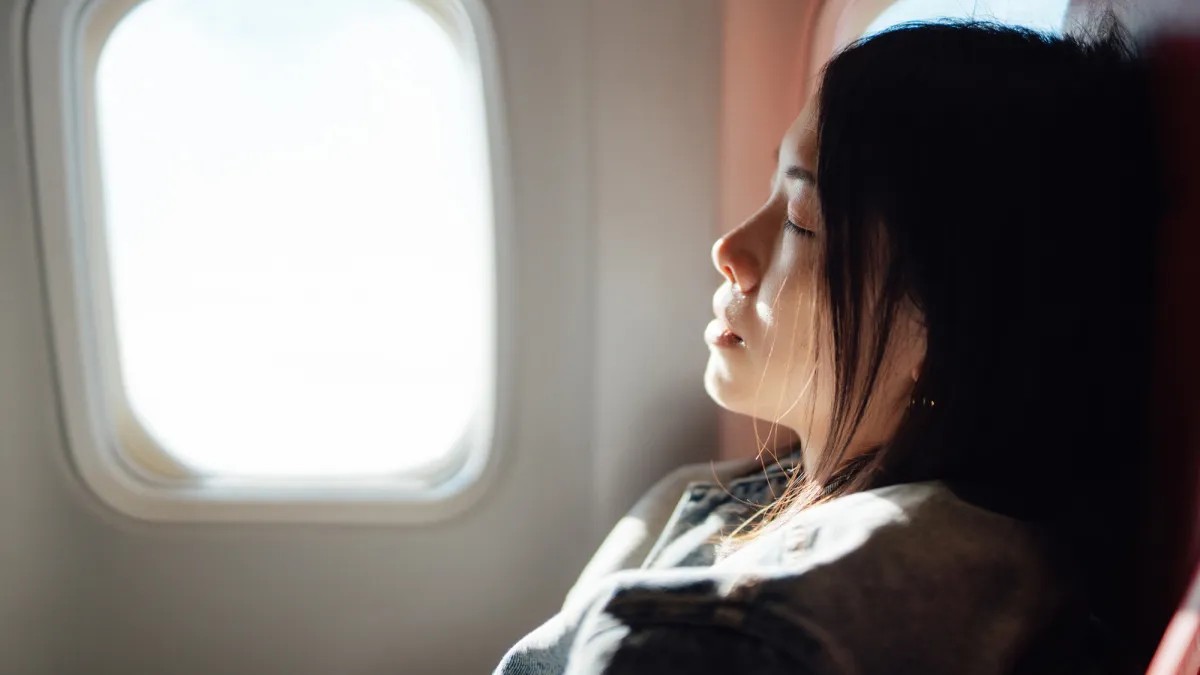
For many travelers, the prospect of an eight-hour flight is met with a common anxiety: how to actually sleep in a cramped cabin. While social media is flooded with “travel hacks” promising instant rest, most of these viral tips are not only ineffective but potentially dangerous.
To understand how to navigate air travel without total exhaustion, we must look at the biological and environmental factors that make airplane sleep so difficult—and how to mitigate them using proven methods.
Why Airplane Sleep is a Biological Challenge
The human body is governed by a circadian rhythm, an internal clock regulated largely by exposure to sunlight. We are evolutionarily programmed to sleep in dark, quiet, and stable environments. An airplane cabin provides the exact opposite:
- Environmental Chaos: Unpredictable lighting from seatmates, constant engine noise, and cabin chatter disrupt the brain’s ability to settle.
- Physical Discomfort: Sitting upright in narrow seats prevents the body from reaching a state of deep relaxation.
- Physiological Stressors: The dry cabin air leads to dehydration, and flight schedules often force us to sleep when our internal clocks are signaling wakefulness.
- Sleep Anxiety: Trying too hard to force sleep can trigger “performance anxiety,” where the stress of needing to rest actually keeps you awake.
The Danger of Viral “Hacks”
It is crucial to distinguish between influencer trends and medical reality. A recent viral TikTok trend suggests a “contortionist” sleeping position: pulling your knees to your chest and securing your seatbelt around your legs.
Medical experts warn strongly against this for two reasons:
1. Safety Risks: In the event of turbulence or an emergency, being strapped in this manner prevents quick movement and can be fatal.
2. Health Risks: This position can cause blood stasis —where blood pools in the lower extremities. In an environment already prone to deep vein thrombosis (DVT), this significantly increases the risk of life-threatening blood clots.
Evidence-Based Strategies for Rest
Since there is no “magic bullet” for airplane sleep, the goal is to control as many variables as possible to signal to your brain that it is time to rest.
1. Control Your Personal Environment
Since you cannot control the cabin, create a “sensory bubble”:
* Light: Use a high-quality eye mask to simulate darkness.
* Sound: Utilize earplugs or noise-canceling headphones to drown out engine roar and passenger noise.
* Comfort: While neck pillows are subjective, creating a “welcoming” micro-environment helps the brain transition to sleep mode.
2. Prepare Before Boarding
Successful sleep begins on the ground.
* Hydration & Diet: Avoid heavy meals and excessive caffeine. Be wary of alcohol; while it may seem to help you drift off, it contributes to dehydration and causes frequent interruptions for bathroom trips.
* Physical Fatigue: Engaging in your regular exercise routine on the day of travel can increase your “sleep pressure,” making it easier to fall asleep.
* Circadian Shifting: Consider using melatonin (under medical guidance) or sleep apps to begin adjusting your schedule to your destination’s time zone before you even take off.
3. Replicate Your Home Routine
The brain thrives on cues. If you have a specific ritual at home—such as reading a physical book, listening to a specific podcast, or using a particular lotion—replicate those actions on the plane. These behaviors act as psychological signals that the environment is “safe” for sleep.
The Bottom Line
Effort is the enemy of sleep. The harder you fight to force rest, the more anxious and awake you will become.
Accept that airplane sleep will rarely be perfect. By managing your environment, staying hydrated, and following your natural routines, you can improve your chances of getting enough rest to enjoy your destination.
Summary: Effective airplane sleep relies on controlling sensory input (light and noise), preparing your body through hydration and exercise, and avoiding dangerous viral “hacks” that compromise physical safety.