NASA has announced a dramatic shift in its lunar exploration strategy, prioritizing a permanent moon base over the long-planned lunar “Gateway” space station. Agency chief Jared Isaacman revealed a $30 billion initiative to establish a sustained human presence at the lunar south pole by 2036, marking a decisive move toward long-term lunar habitation rather than short-term visits.
From Flags to Foundations: A New Lunar Era
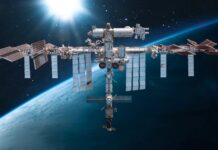
This isn’t a repeat of the Apollo missions. The new goal is not symbolic gestures, but a permanent foothold. The agency will now concentrate its human exploration efforts on building this moon base, following a phased approach similar to the Apollo program – rigorous testing before crewed missions. Supporting this shift, NASA will reduce its reliance on the International Space Station (ISS), encouraging private companies to develop and maintain a separate commercial station in orbit.
The lunar south pole is a critical location due to the suspected presence of water ice and other valuable resources in its permanently shadowed craters. The goal is to land human crews every six months for ongoing exploration and resource assessment. “America will never again give up the moon,” Isaacman stated, signaling a firm commitment to sustained lunar presence.
Artemis Program Accelerated: Launches and Nuclear Power
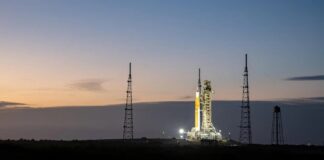
The Artemis program will be expanded significantly, requiring dozens of launches over the next decade to deliver rovers, drones, habitats, and communication modules. This accelerated timeline hinges on reliable launch cadence: the ability to consistently send missions to the moon. The initial phase, by 2028, involves over two dozen launches, including the Artemis IV landing.
A key element of this plan is NASA’s embrace of nuclear power. Long lunar shadows at the south pole necessitate reliable, long-duration energy sources, making nuclear isotope generators and, eventually, a small nuclear reactor essential for survival. This decision also paves the way for future deep-space missions, including potential crewed missions to Mars.
Competition and Uncertainties: Starship and China
NASA acknowledges growing competition from China, which also aims to land astronauts on the moon by 2030. Isaacman conceded that China may reach the lunar surface only months before the U.S., if at all.
The success of this program depends on resolving launch uncertainties. The next four Artemis missions will rely on the SLS rocket, but future missions face ambiguity. SpaceX’s Starship is a leading contender, both as a launch vehicle and a lunar lander. SpaceX is working to reduce the number of in-orbit refueling missions needed for Starship’s lunar landing test, currently estimated at around a dozen.
The biggest challenge is maintaining a consistent cadence of lunar landings. If launches go smoothly, taxpayers will see clear progress towards the agency’s goals.
The shift in strategy underscores a renewed commitment to lunar exploration, but its success hinges on technological reliability, sustained funding, and a competitive edge against other spacefaring nations.
This revised plan marks a clear departure from previous approaches, prioritizing long-term presence over episodic visits, and signaling a new era of lunar ambition for NASA.