NASA’s Artemis II mission, slated to send astronauts on a lunar flyby, has been delayed at least a month due to hydrogen fuel leaks and other technical issues discovered during a critical pre-launch test. Meanwhile, the sun unleashed one of the most powerful solar flares in decades, raising concerns about satellite disruption and highlighting the ongoing recovery of the ozone layer – though new chemicals may pose unforeseen risks. Finally, recent research confirms babies are born with an innate sense of rhythm.
Artemis II: Facing Launch Hurdles
The Artemis II mission, intended as a precursor to future lunar landings, aims to loop four astronauts around the moon over a 10-day period. The recent “wet dress rehearsal” – a simulated launch involving fully fueling the rocket – revealed persistent hydrogen leaks, a problem that previously delayed the Artemis I mission. Despite past fixes, engineers are now grappling with the same issue, adding months to the timeline. The capsule itself also experienced a hatch valve malfunction, requiring further adjustments before crewed flight. NASA is now targeting March for a potential launch window, but further tests are needed to ensure safety.
Solar Activity: Flares and Auroras
On February 1, the sun emitted an intense X-class solar flare, among the strongest in three decades. These bursts of electromagnetic radiation can disrupt satellite operations but also trigger spectacular auroras – shimmering light displays visible in the night sky when charged particles collide with Earth’s atmosphere. The event underscores the sun’s volatile nature and its influence on space weather.
Ozone Layer Recovery: A Trade-Off?
The ozone layer, which shields Earth from harmful ultraviolet radiation, continues to heal thanks to the 1987 Montreal Protocol banning ozone-depleting chemicals like CFCs. However, a new study reveals that phasing out CFCs has led to the increased use of trifluoroacetic acid (TFA), a PFAS “forever chemical.” Roughly 370,000 tons of TFA have entered the atmosphere since 2000, accumulating in drinking water and linked to health risks including immune dysfunction, hormonal disruption, and reproductive problems. This suggests that environmental solutions can sometimes create new, unforeseen complications.
Babies Born with Rhythm: New Research
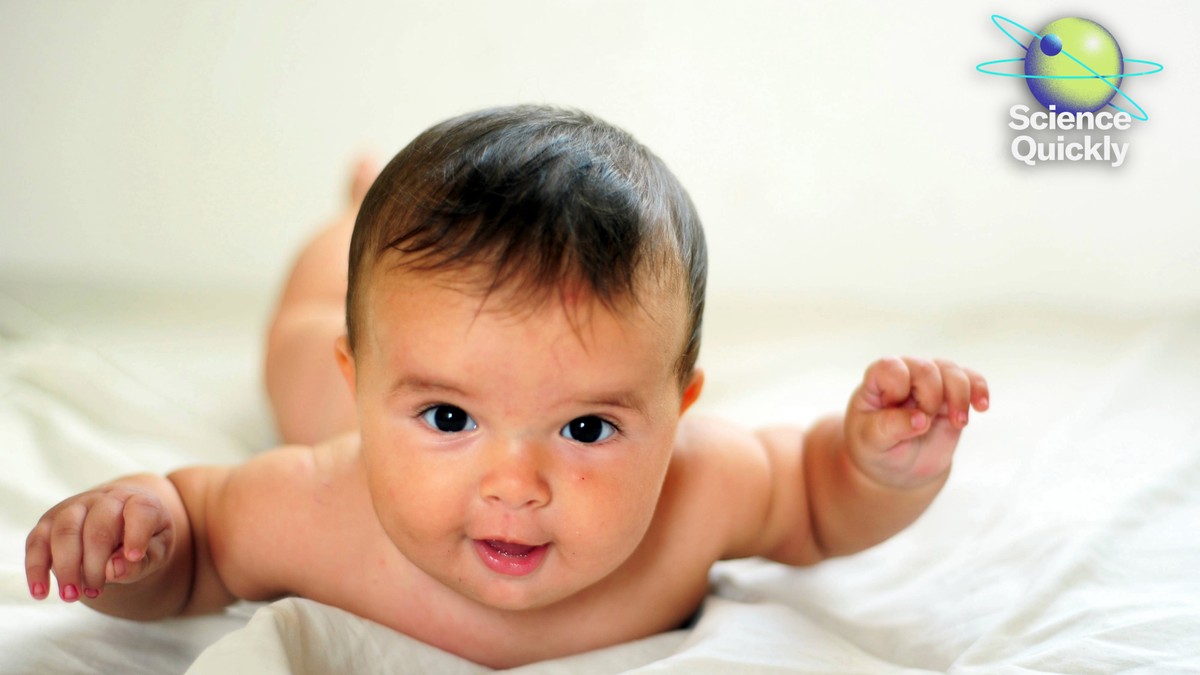
A recent study published in PLOS Biology demonstrates that newborns possess an innate sense of rhythm. Researchers used electroencephalograms (EEGs) to monitor brain activity while playing scrambled and unscrambled songs by Johann Sebastian Bach. The babies’ brainwaves showed surprise when the rhythm of songs was altered, but not when melodies changed, indicating a hardwired predisposition for rhythm perception. This suggests that musical timing is a fundamental aspect of human cognition from birth.
The current findings about NASA’s Artemis II, solar flares, ozone layer recovery, and infant rhythm all underscore how complex and intertwined natural and human-made systems are. Each discovery, delay, or threat poses new questions about the future of space exploration, environmental health, and basic human development.