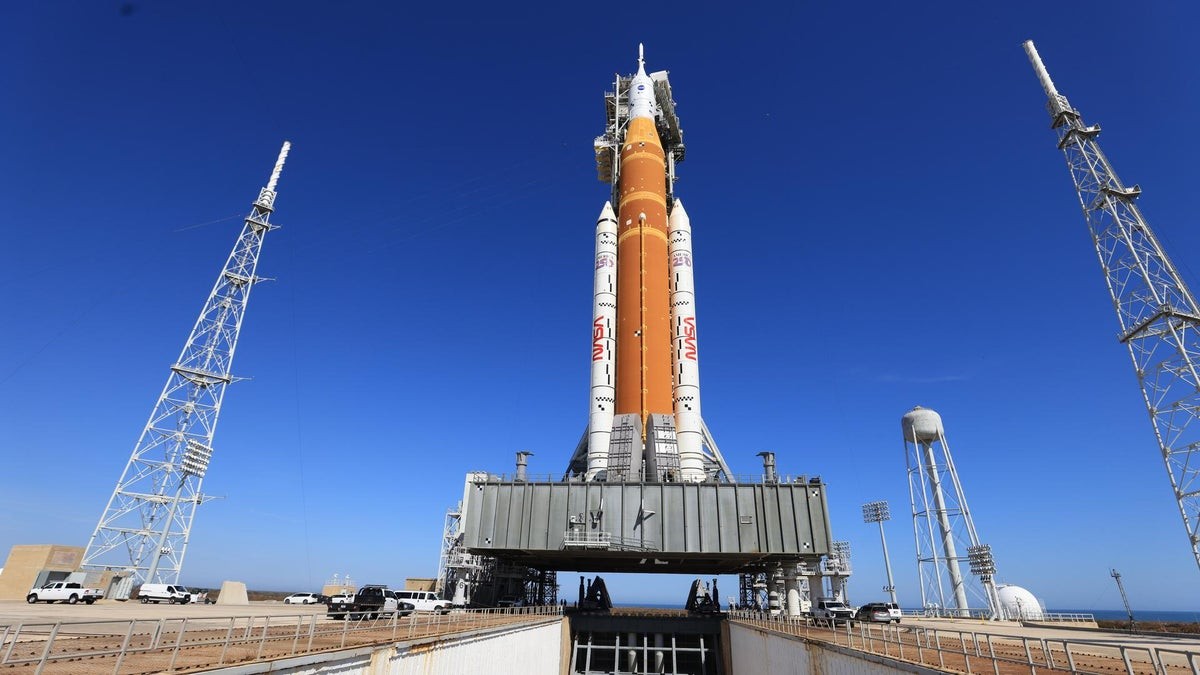
NASA is targeting April 1st for the next attempt to launch its Artemis II mission, a crewed lunar flyby, but agency officials are candid about the challenges and risks involved. The mission, which carries four astronauts – Christina Koch, Reid Wiseman, Victor Glover, and Jeremy Hansen – has faced multiple delays this year due to technical issues with the Space Launch System (SLS) rocket.
Persistent Technical Challenges
The latest setback involved a helium flow issue discovered during a “wet dress rehearsal” – a full-scale launch simulation. While NASA has since addressed the problem, officials acknowledge that building and launching new rockets is statistically unreliable. As John Honeycutt, chair of the Artemis II Mission Management Team, bluntly stated, historical data suggests only a 50% success rate for new rocket launches.
This candid admission is unusual for NASA, which typically emphasizes progress and minimizes potential failures. The acknowledgement of inherent risk is likely intended to prepare the public and stakeholders for the possibility of further delays or even a scrubbed launch attempt.
Unprecedented Mission, Untested Systems
Artemis II will send astronauts farther from Earth than ever before, pushing the limits of current technology. NASA officials stress that this unprecedented nature of the mission introduces unavoidable unknowns.
A recent report from the Office of the Inspector General further highlighted areas for improvement in NASA’s risk reduction strategies, particularly regarding the Human Landing System – the agency’s plan for future lunar landings. The report underscored the need for more robust safeguards to ensure crew survival.
Launch Windows and Future Tests
If April 1st proves unviable, NASA has a backup launch window on April 2nd. The agency is also considering six potential launch dates in early April.
Notably, NASA has decided against conducting another full wet dress rehearsal. These tests, while crucial, have historically revealed further problems with the SLS, including hydrogen leaks and other malfunctions. This decision suggests NASA believes the current fixes are sufficient and that repeated testing could introduce new issues.
This mission is already over budget and behind schedule. The Artemis program is a multi-billion dollar effort with ambitious goals, and the latest delays serve as a reminder of the immense complexities involved in deep-space exploration.
The Artemis II mission is a critical step toward NASA’s long-term goal of establishing a sustained human presence on the moon. While the agency remains committed to the April launch window, the acknowledged risks and technical hurdles make success far from guaranteed.