NASA’s preparations for the Artemis II lunar mission encountered a setback on Monday when a critical “wet dress rehearsal” was temporarily halted due to hydrogen fuel leaks. The test, designed to simulate the full launch sequence, required engineers to load the agency’s Space Launch System (SLS) rocket with liquid hydrogen and liquid oxygen. However, during the fueling process, the flow of liquid hydrogen into the rocket’s core stage was paused while teams investigated potential leaks.
The Test and the Problem
The wet dress rehearsal is a key step in ensuring the SLS rocket—and the Orion crew capsule it will carry—is ready for launch. The goal is to run through the entire countdown and fueling process without actually igniting the engines. This allows NASA to identify and resolve any issues before risking an actual launch attempt.
Liquid oxygen flow continued uninterrupted during the hydrogen leak investigation, while loading into the upper stage was also briefly suspended. NASA later resumed hydrogen fueling and attempted to manage the fuel’s concentration within safe parameters.
Recurring Issue and Historical Context
Fuel leaks have plagued NASA’s Artemis program before. The Artemis I mission, the uncrewed precursor to Artemis II, experienced similar delays due to leaks during testing. These issues highlight the extreme challenges of handling cryogenic propellants like liquid hydrogen, which are essential for powerful rockets but notoriously difficult to contain due to their low temperatures and tendency to leak through seals.
Mission Details and Timeline
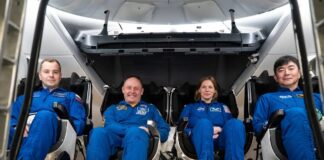
Artemis II is slated to carry four astronauts on a 10-day lunar orbit mission, pushing the boundaries of human spaceflight further than ever before. If the wet dress rehearsal is completed successfully, the current launch target is no earlier than February 8. However, this timeline remains contingent on resolving the ongoing fuel leak issues and conducting further checks.
The Artemis II mission represents a significant step toward establishing a sustained human presence on the Moon and beyond. Overcoming these technical hurdles is vital for ensuring the safety and success of future lunar and deep-space missions.