This week’s science updates cover a nuclear-powered mission to Mars, the environmental impact of the ongoing conflict in Iran, and promising results from a new Lyme disease vaccine trial. The developments range from ambitious space exploration to urgent environmental concerns and potential medical advancements.
Nuclear Power for Mars and the Moon
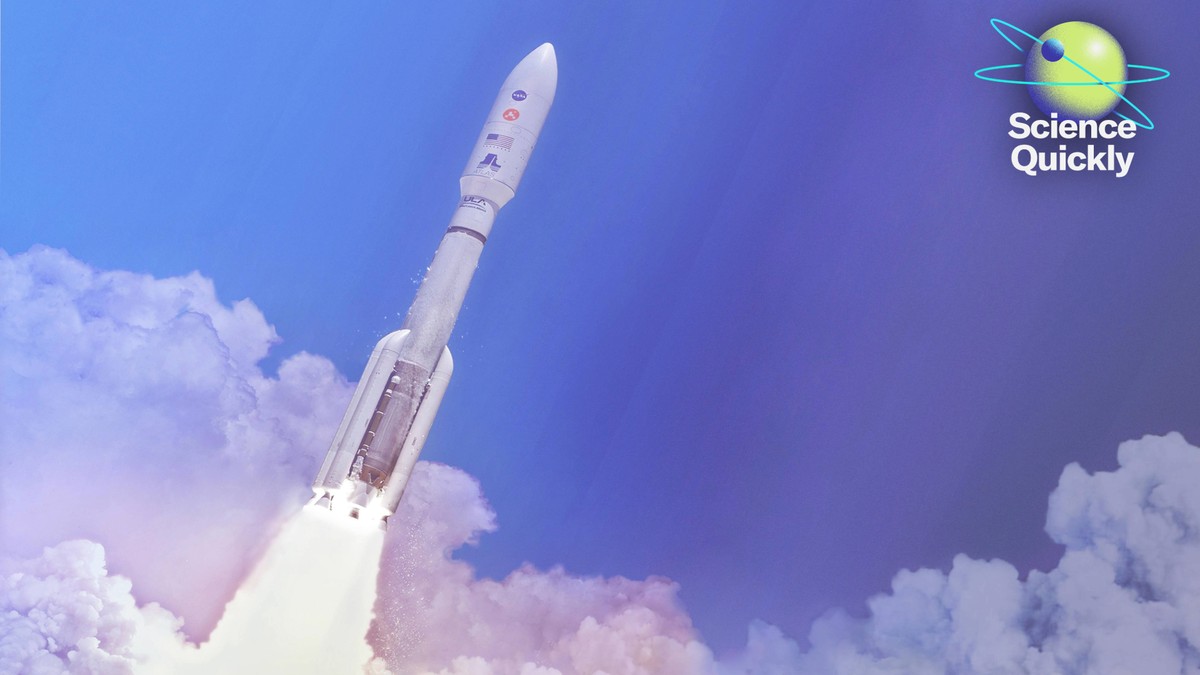
NASA announced last Tuesday that it will launch a nuclear-powered spacecraft, dubbed Space Reactor-1 Freedom, toward Mars before the end of 2028. This mission will deploy three Ingenuity-style copters—Skyfall—equipped with cameras and ground-penetrating radar to search for signs of habitability on the Red Planet. The spacecraft relies on nuclear-electric propulsion, a first for interplanetary travel, which could dramatically expand space exploration capabilities.
This announcement coincides with NASA’s plans for a permanent lunar base. Nuclear power is considered essential for sustaining a long-term human presence on the Moon, especially during the prolonged lunar nights when solar energy is unavailable. While nuclear rockets and reactors differ, both rely on nuclear reactions and require highly sensitive fissile materials.
The feasibility of this mission hinges on political and financial support, but NASA officials have expressed unprecedented confidence in its execution. If successful, nuclear propulsion could revolutionize deep-space travel, making missions to distant planets far more efficient than current chemical-based methods.
Iran Conflict’s Carbon Footprint
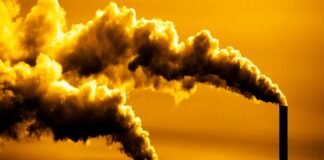
The conflict in Iran has already released over 5.5 million tons of carbon dioxide into the atmosphere in just two weeks, exceeding the annual emissions of cities like San Francisco and entire countries like Iceland. Approximately 15% of these emissions come directly from combat operations, while nearly 40% result from the destruction of fossil fuel infrastructure.
U.S.-Israeli strikes on oil depots and refineries near Tehran have released toxic pollutants, including hydrocarbons, particulate matter, and carcinogenic compounds, into the environment. Additional emissions stem from Iran’s retaliatory attacks on energy facilities in the Gulf, including Qatari LNG infrastructure, reducing export capacity by 17%.
The destruction of homes and buildings accounts for roughly half of the total emissions. Rebuilding efforts could generate even more carbon than the conflict itself, as concrete production alone contributes 8% of global greenhouse gas emissions. This underscores the environmental costs of warfare and the difficulty of reversing such damage.
Lyme Disease Vaccine Shows Promise
Pharmaceutical companies Pfizer and Valneva have reported positive phase 3 trial results for their Lyme disease vaccine. The study, involving over 9,400 participants, demonstrated a 73% reduction in Lyme disease cases among vaccinated individuals compared to the placebo group.
The vaccine was well-tolerated with no major safety concerns identified. Despite missing a key statistical target for confidence intervals due to the low incidence of Lyme disease during the trial period, the companies plan to seek regulatory approval.
This isn’t the first attempt at a Lyme disease vaccine. GlaxoSmithKline’s LYMErix, which had a 76% efficacy rate, was withdrawn from the market in 2002 amid negative media coverage and unsubstantiated claims of harmful side effects.
Conclusion: These developments highlight the interplay between technological advancement, geopolitical conflict, and public health. NASA’s Mars mission represents a bold step toward interplanetary exploration, while the Iran conflict serves as a stark reminder of war’s environmental consequences. The Lyme disease vaccine offers a potential breakthrough in preventing a debilitating infectious disease.