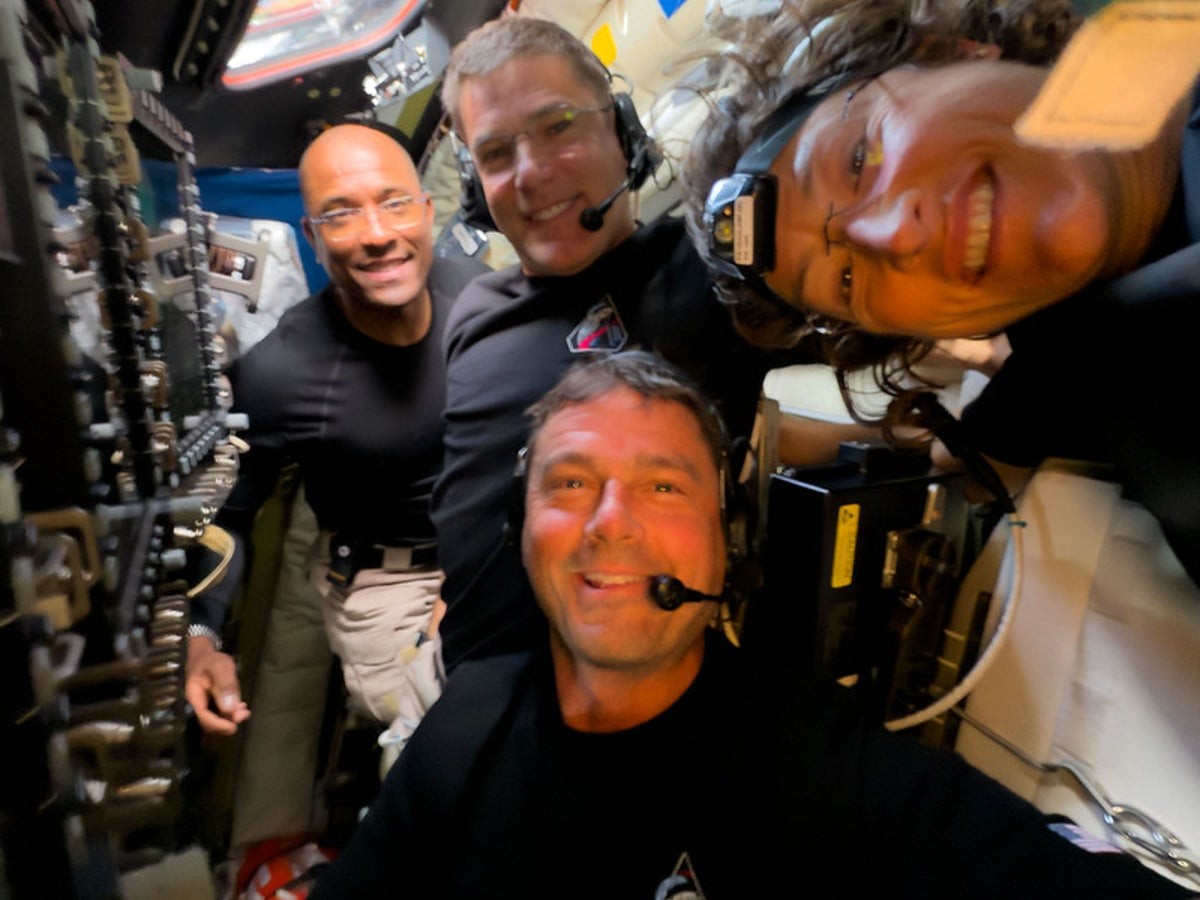
As the Artemis II crew orbits the Moon, a long-standing NASA tradition is providing a rhythmic backdrop to their lunar journey. Each morning, the crew of the Orion spacecraft wakes up to a different song, turning a routine transition from sleep to duty into a moment of personal connection and musical variety.
The Crew’s Personal Playlists
During a recent live conversation, the four astronauts shared the personal significance behind their chosen tracks, revealing that these songs are more than just background noise—they are links to home, family, and comfort.
- Jeremy Hansen (CSA): The Canadian astronaut noted that his family suggested “Under Pressure” by Queen and David Bowie, which has become his personal favorite of the mission.
- Victor Glover (NASA): Glover shared a lighthearted moment regarding his wife, who swapped one of his selections for “Good Morning” by Mandisa and TobyMac. He credited the track for making his morning “really pleasant.”
- Reid Wiseman (NASA): For Wiseman, the choice was deeply sentimental. He selected “Tokyo Drifting” by Glass Animals and Denzel Curry, a song he listens to every year during family vacations to Florida.
- Christina Koch (NASA): Koch chose the Young & Sick cover of “Sleepyhead” for its utility; it served as much-needed “backup” after a grueling period of wakefulness on the first day of the mission. While she praised the selection, she humorously noted that the mission control cut off Chappell Roan’s “Pink Pony Club” just before the chorus, leaving her humming the tune all day.
A Legacy of Lunar Lyrics
While it may seem like a modern touch, the practice of using music to wake astronauts is a storied tradition that dates back to the early days of human spaceflight. This ritual serves a dual purpose: it provides a psychological boost to crews in the isolated environment of space and offers a humanizing connection to Earth.
The history of “space soundtracks” spans several decades of exploration:
– The Gemini Era (1960s): Missions included everything from Jack Jones’s “Hello Dolly” to the classical compositions of Beethoven and Bach.
– The Apollo Era (1960s-70s): Astronauts were greeted by the crooning of Frank Sinatra and Tony Bennett.
– The Space Shuttle Era (1980s-2011): Playlists shifted toward pop and rock, featuring Willie Nelson, Steppenwolf, and Jimmy Buffett.
– The ISS Era (2000s): The tradition reached new heights when Paul McCartney performed live for the crew of the International Space Station in 2005.
Why Music Matters in Deep Space
In the high-stakes, high-stress environment of lunar orbit, these musical interludes act as a vital “soft” component of mission operations. For astronauts, music is a tool for mood regulation and cognitive grounding. By choosing songs that represent their families or cherished memories, the crew creates a psychological bridge between the sterile, technical reality of a spacecraft and the emotional warmth of life on Earth.
The Artemis II wake-up songs are not merely entertainment; they are a bridge between the technical rigors of space exploration and the deeply human experiences of the people performing it.