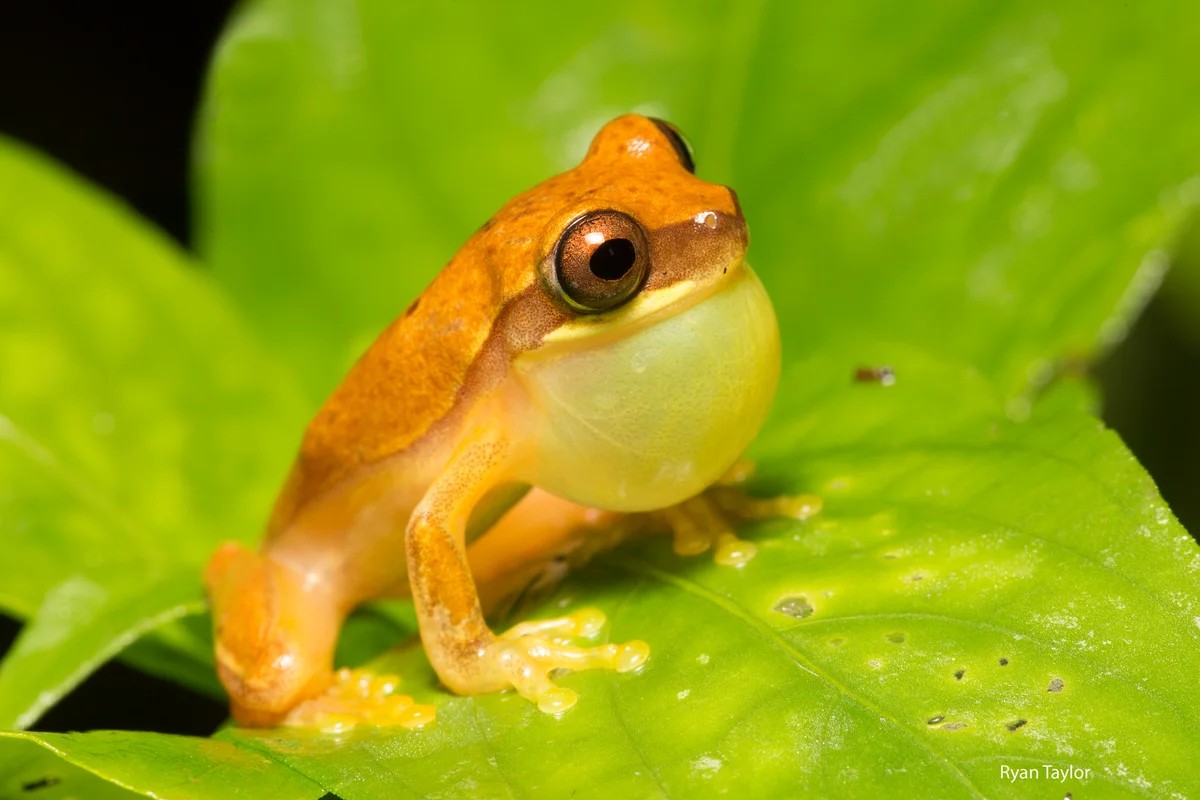
A surprising new study indicates that human preferences in animal mating calls align more closely with those of the animals themselves than previously understood. Researchers found that across a diverse range of species – including mammals, birds, frogs, and insects – people consistently favored the same vocalizations that animals demonstrably preferred. This raises intriguing questions about shared biological foundations for acoustic attraction.
The Study’s Findings: A Universal Preference?
The research, conducted with over 4,000 participants, involved listening to pairs of mating calls from 16 different animal species. Participants were asked to select which call they “liked more.” The results revealed a statistically significant tendency for humans to choose the same sounds that animals had previously shown a preference for in other studies.
“We were shocked by how strongly the data supported the hypothesis,” says Logan James, the lead author from McGill University and the University of Texas at Austin. The study’s success suggests a deeper connection between human and animal auditory perception than scientists have traditionally assumed.
Why Does This Matter?
This isn’t just an odd curiosity; it challenges how we understand the evolution of sensory perception. Both humans and animals rely on processing vibrations in the air to make critical decisions – including those related to mating. The study implies that fundamental aspects of acoustic assessment may be hardwired across species, rather than being purely culturally or individually determined.
The trend held firm across species, with some outliers (like the Hawaiian cricket and Song Sparrow) showing particularly high agreement rates between human and animal preferences. Conversely, calls from the gelada monkey showed less alignment. Calls with more “acoustic adornments” (extra chirps, clicks, etc.) tended to be favored by both humans and animals alike.
Unanswered Questions: The “Why” Behind the Preference
While the study establishes a clear correlation, the underlying reasons remain unclear. Animals may respond to mating calls based on signals of strength or fitness, while humans are unlikely making the same calculations. “It calls for so much more investigation,” notes David Reby, an ethologist at Jean Monnet University.
One possibility is that shared sensory processing mechanisms dictate these preferences. Both humans and animals must decode vibrations to assess their environment, and this process might inherently favor certain acoustic patterns.
Beyond Mating Calls: A Broader Aesthetic Connection?
The study also prompts broader questions about human appreciation for natural beauty. If signals designed to attract animals also appeal to us, it suggests a deep, evolutionary link between our aesthetic senses and the natural world.
“These are signals designed to be attractive, but not specifically for humans. The fact that we share some basic sensory processing with other animals may explain why we enjoy these sounds as well.”
Ultimately, the study highlights the interconnectedness of biological perception and raises exciting possibilities for future research into the evolutionary origins of attraction and aesthetic preference.