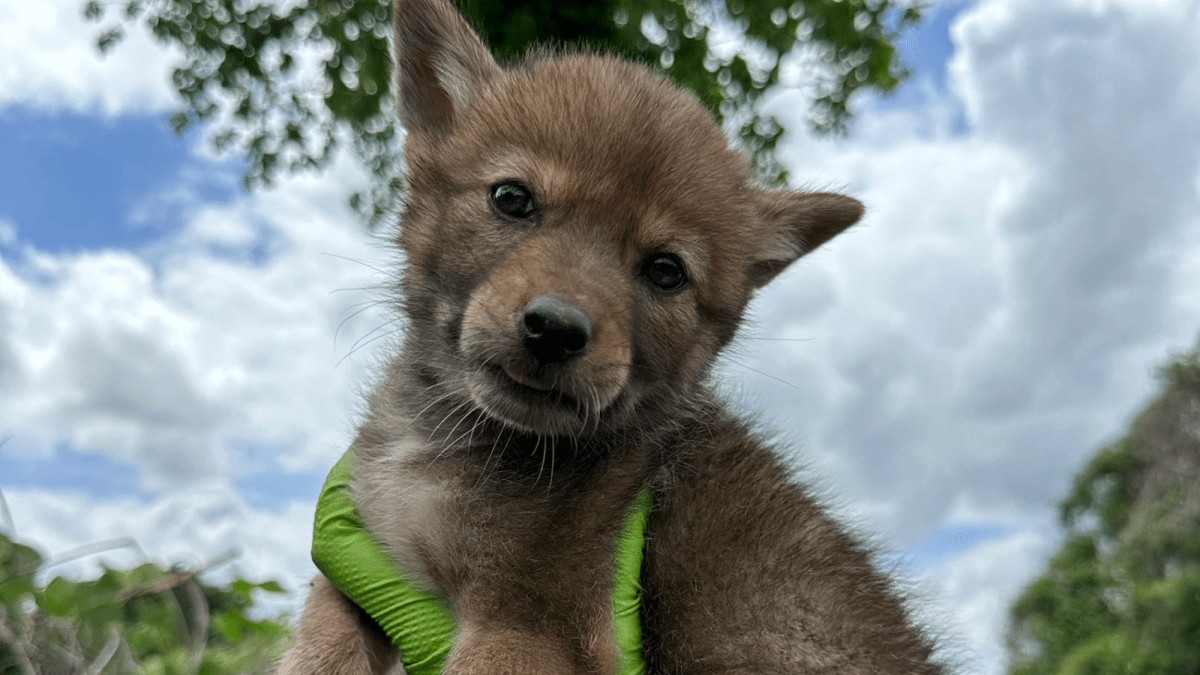
Coyotes are thriving in cities across North America, including Atlanta, Chicago, and Los Angeles, yet remain largely unseen by humans. New research reveals how these adaptable canines strategically choose denning sites to avoid people, even incorporating human-made structures into their burrows. The study underscores that coyote avoidance of humans is so effective that most residents are unaware they share their cities with these predators.
Avoiding Human Contact
Researchers at the University of Georgia tracked 48 urban coyotes using GPS collars, locating 20 dens in the Atlanta area. Over half of these dens were built in natural formations like burrows and hollow logs, but some incorporated discarded human materials: concrete debris, an overturned boat, and even a tractor tire. This demonstrates the coyotes’ flexibility, but does not indicate a desire for interaction.
According to Summer Fink, lead author of the study, “The animals didn’t want to den in areas where there was a lot of human activity and development.” Even dens near buildings were typically found at abandoned structures. This suggests coyotes assess risk and choose locations where human presence is minimal.
Coyote Reproduction and Survival
Coyote pupping season typically occurs from mid-March through mid-May, with litters averaging two to nine pups. Only the breeding pair reproduces; other pack members hunt, babysit, and defend the territory. However, survival rates are low: many pups die from vehicle collisions, starvation, or other human-related causes.
Despite these challenges, coyotes are highly adaptable and intelligent. Michel Kohl, study co-author, notes that increasing urbanization and habitat loss will put additional pressure on urban coyote populations.
Ecological Importance and Human Safety
Coyotes fill a vital ecological role in urban environments, acting as apex predators that control rodent populations. They also scavenge carrion and disperse plant seeds, contributing to ecosystem health. Despite their benefits, coyotes are protective of their young.
To coexist safely, experts recommend keeping dogs leashed, avoiding potential den sites, and refraining from feeding coyotes. If you encounter a coyote, remain calm and avoid interaction. The animals may deliberately make themselves visible to deter humans from approaching their dens rather than becoming aggressive.
While coyotes may have a bad reputation for spreading disease and eating cats and dogs, they fill important ecological roles, particularly in cities and more urban areas.
The study reinforces the idea that coyotes are masters of avoidance, thriving in human-dominated landscapes while remaining largely unnoticed. This coexistence highlights the resilience of wildlife in the face of urbanization, but also underscores the need for continued research and responsible coexistence.