Representation in science fiction has a tangible effect on who believes they can pursue careers in STEM.
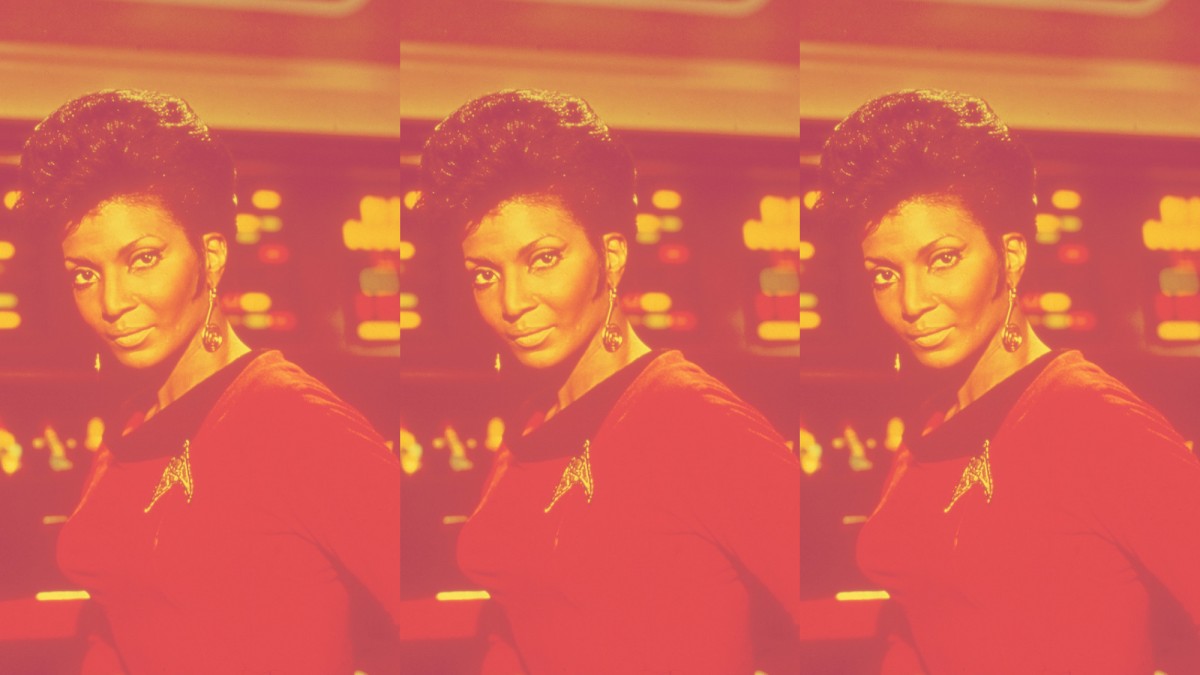
For generations, the idea of Black people in space was a distant dream, largely absent from the real-world ambitions of NASA. But in 1967, Star Trek changed the equation. The original series featured Lieutenant Nyota Uhura, played by Nichelle Nichols, as the first Black astronaut on mainstream television. This wasn’t just a casting choice; it was a cultural statement. Ebony magazine ran a cover story on Nichols, declaring her “the first Negro astronaut,” a pointed jab at NASA’s then-segregated reality.
The impact was immediate. Black children, for the first time, saw a future where space wasn’t off-limits to them. As physicist Chanda Prescod-Weinstein notes, seeing Geordi La Forge on Star Trek: The Next Generation later reinforced this possibility, proving that Black people could not only reach space but thrive as professionals within it. This representation isn’t merely symbolic; it creates material change by opening minds and encouraging participation in STEM fields.
Star Trek wasn’t the first to imagine a diverse future. Edward Murrow, as head of the U.S. Information Agency, suggested NASA send a non-white astronaut in 1961, only to be rejected by NASA administrator James Webb. The show filled that void, allowing Black audiences to visualize themselves as explorers and leaders in the cosmos decades before Mae Jemison became the first real Black woman in space in 1992.
Ultimately, Star Trek didn’t just reflect progress; it helped create it. By making the impossible seem achievable, it inspired generations of Black scientists, engineers, and dreamers to reach for the stars. The show’s legacy underscores a fundamental truth: representation matters, and imagination can pave the way for reality.