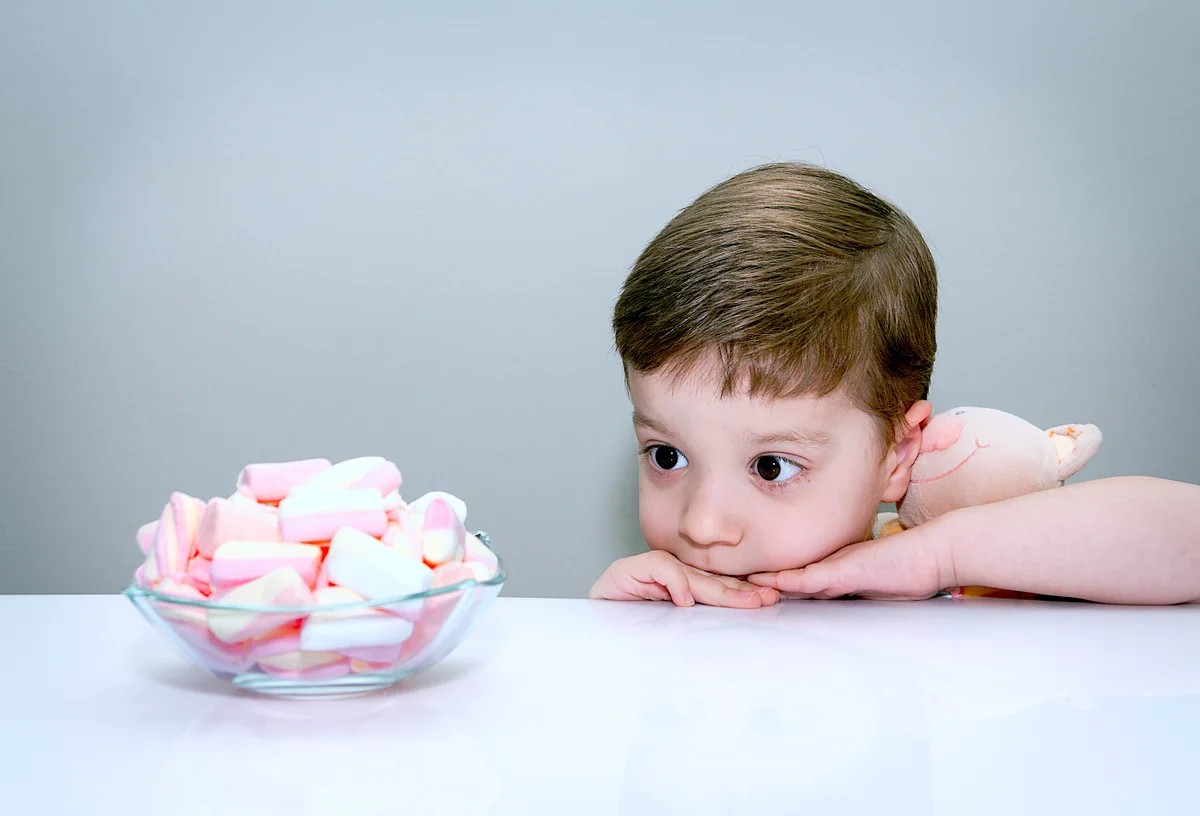
The idea of self-control often conjures images of gritting your teeth and forcing yourself to resist temptation. Whether it’s resisting an impulse purchase, staying focused on work late at night, or sticking to a diet, we tend to think of it as a battle of willpower. But decades of psychological research suggest this isn’t entirely true—and that the key to self-discipline may lie in how you approach it, rather than simply trying harder.
The Shift in Understanding Self-Control
For years, the prevailing theory was that self-control operated like a muscle: overuse led to “ego depletion,” making it harder to resist future temptations. People often describe self-control as difficult and unpleasant, viewing those who exercise it as virtuous. However, recent science has revealed a more nuanced picture: some people effortlessly maintain discipline, suggesting that willpower isn’t the whole story.
Psychologists now focus on strategies and habits that make self-discipline easier. The field has moved away from the idea of willpower as a limited resource towards understanding how people can build systems that minimize temptation and maximize success.
The Power of Routine
One of the most significant discoveries came in 2015. Studies following high school students found that those with high self-control didn’t rely on sheer willpower; instead, they used routines. Whether it was studying, exercising, or sleeping, structured habits—doing the same thing at the same time in the same place—were far more effective than battling impulses in the moment. People who followed these routines reported doing them automatically, without conscious effort.
Researchers have since explored how others can adopt these habits. One study asked participants struggling with goals (like healthy eating or exercise) to commit to small, daily actions—ten minutes of exercise, a serving of vegetables, or recycling. Those who consistently followed through reported feeling stronger in their habits over time. The study showed that consistently doing something small leads to habit formation, regardless of innate self-control.
Practice and Habit Formation
Establishing habits makes sticking to challenging behaviors easier. A 2020 study showed that repeated practice improves self-discipline. Participants who consistently pursued goals (eating fruit at breakfast, being patient, saving money) saw their ability to follow through improve with each attempt. While initial effort is required, habits often become automatic after about three months.
The key isn’t merely sacrificing pleasure, but creating adaptive routines that strategically avoid conflicts, leaving more energy for what matters most. Structuring your environment to make good choices natural is crucial.
The Role of Meaning
Interestingly, people with high self-discipline may not just be suppressing urges; they may genuinely prefer doing meaningful activities over purely pleasurable ones. A 2025 study found that individuals high in self-control chose tasks like exercise or chores over naps when given free time. They didn’t need willpower to resist relaxation; they took pleasure in constructive activities.
This suggests that the story of self-control isn’t simply about suppressing pleasure, but about finding fulfillment in productive behavior.
Practical Takeaways
While there’s no proven method to force yourself to enjoy difficult tasks, creating small habits can still make them easier. If you struggle with late-night screen time, set an alarm to cut yourself off. If you want to run, establish a daily routine before breakfast.
After a few months, research suggests, pursuing your goals will become less of a struggle. You might even find that you prefer a run to a nap—not because you forced yourself, but because it feels good to make progress.