Digital storage is essential in today’s world, but unlike physical media, its longevity isn’t always obvious. Most people aren’t sure how long their hard drives, flash drives, or memory cards will actually last before data loss becomes a risk. Understanding the lifespan of different storage types is crucial for protecting valuable information.
Digital Storage Options: A Quick Overview
Several types of digital storage exist, each with its strengths and weaknesses:
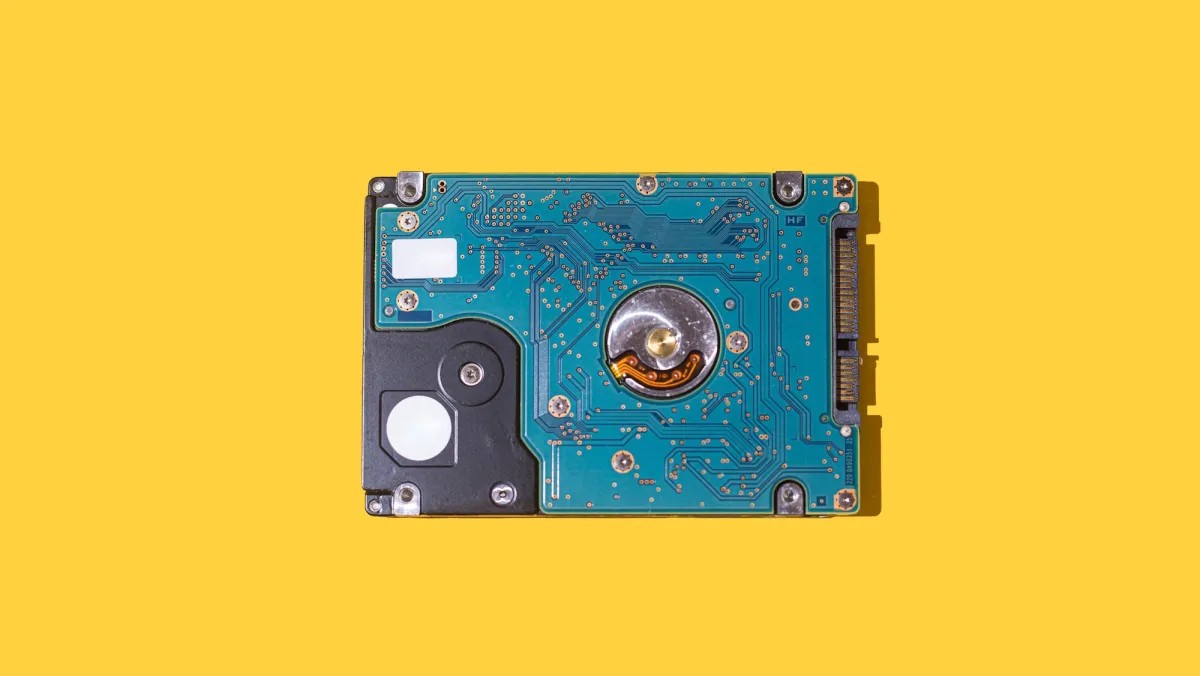
- Hard Disk Drives (HDDs): Traditional drives using spinning disks and magnetic read/write heads. They are cost-effective for large storage needs but are mechanically vulnerable.
- Solid State Drives (SSDs): Faster and more durable than HDDs, SSDs use flash memory with no moving parts. They are ideal for performance-critical applications.
- Universal Serial Bus (USB) Flash Drives: Portable and convenient, flash drives offer a simple way to store and transfer data, but they are prone to physical damage.
- Memory Cards (SD Cards, etc.): Commonly used in cameras and portable devices, memory cards are compact but can degrade with frequent use.
- Network-Attached Storage (NAS): NAS devices provide centralized storage accessible over a network, often using multiple HDDs or SSDs for redundancy.
HDD Lifespan: Expect 3–5 Years
Most HDDs last three to five years before mechanical components begin to fail. The spinning disks and moving heads are the first parts to give out. However, even with failure, data recovery is sometimes possible, though not always guaranteed.
Key Takeaway: HDDs are reliable for general use but should not be considered long-term archival storage. Unusual noises or excessive vibrations are warning signs of impending failure, but drives can fail silently.
SSD Longevity: 5–10 Years (or More)
SSDs typically outlive many other computer components. With normal usage (20–40GB of data written per day), a quality SSD can operate reliably for five to ten years, and potentially longer.
- Extreme temperatures can shorten lifespan.
- Drive quality impacts performance and durability.
- Heavy use accelerates wear, but even moderate use will degrade flash memory over time.
NAS Systems: 3–5 Years (with Maintenance)
NAS drives are designed for continuous operation but still have a finite lifespan. On average, they last three to five years.
- Higher-quality drives extend longevity.
- Environmental conditions matter (heat and humidity degrade performance).
- Multi-drive NAS systems allow for redundancy but also introduce more failure points.
USB Flash Drives: 10+ Years with Proper Storage
USB flash drives are surprisingly durable if treated carefully. Stored in a cool, dry place with minimal use, a flash drive can retain data for more than ten years. Frequent use and harsh conditions shorten this lifespan.
Memory Cards (SD Cards): 10 Years (Under Ideal Conditions)
SD card standards claim at least ten years of data retention if stored at a consistent temperature. But…
- The actual lifespan depends on the card quality, usage, and environment.
- Frequent writing and deleting accelerate aging.
- The physical interface (plastic teeth) can break with repeated use, rendering the data inaccessible even if the memory itself remains intact. Listen for creaking sounds as a warning sign.
Conclusion
Digital storage is not indefinite. All storage media degrade over time, and failure is inevitable. The best approach is proactive: back up your data regularly to multiple locations (cloud, external drives, etc.), and replace drives before they fail completely. The lifespan of digital storage depends on usage, quality, and environmental conditions, so plan accordingly.