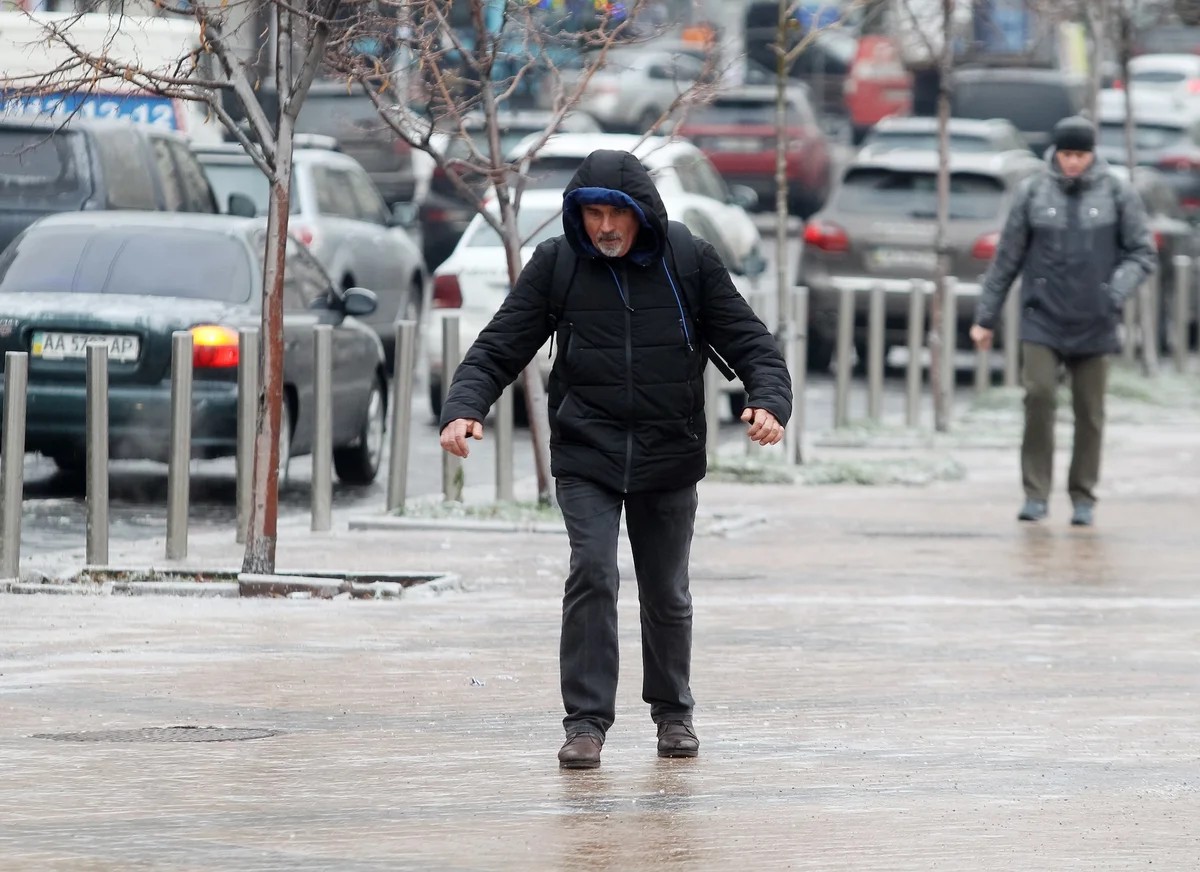
The recent winter storms have transformed landscapes across the country…but not always for the better. While cozy indoors, stepping outside onto icy sidewalks can quickly turn a simple walk into a trip to the emergency room.
There’s no central record of winter-related injuries, but research confirms that fall rates spike dramatically when snow and ice appear, especially for older adults. However, anyone can slip, making caution essential. Since staying home isn’t always an option, how do you navigate these treacherous conditions safely?
The Penguin Walk: Nature’s Solution
According to Gabriela Murza, a health and wellness extension associate professor at Utah State University, the key is to walk like a penguin.
“It’s not about waddling exactly,” Murza explains, “but the technique mimics their movement.” Penguins keep their feet flat and take shorter steps. This increases surface contact with the ground, reducing the chance of a slip. Unlike our typical heel-to-toe gait, flat feet provide greater stability. Smaller steps also help maintain a lower center of gravity, further minimizing the risk of falling.
Posture and Awareness
Beyond the penguin walk, proper posture is crucial. Keep your knees slightly bent to reduce strain on your lower back and improve balance.
Distraction is another danger. Icy conditions aren’t the time for phone scrolling. Keep your hands free and out of your pockets. If you do fall, having your arms bent and ready to break your fall will protect your wrists and face.
When to Be Extra Careful
The most dangerous times are overnight and early morning when temperatures are coldest, and sunlight isn’t helping melt the ice. Be vigilant for hidden ice under snow or thin layers of meltwater. Watch out for “black ice,” which is nearly invisible and particularly hazardous.
Staying upright this winter requires a combination of technique, awareness, and caution. By adopting a penguin-like walk, maintaining good posture, and paying close attention to your surroundings, you can significantly reduce your risk of injury on icy sidewalks.