The growing problem of mattress waste in landfills may soon have a surprising solution: fungi. Researchers at Swinburne University of Technology in Australia have developed a method to convert old mattresses into sustainable building insulation, using a common relative of the penicillin fungus. This breakthrough addresses a significant environmental issue while offering a practical alternative to traditional insulation materials.
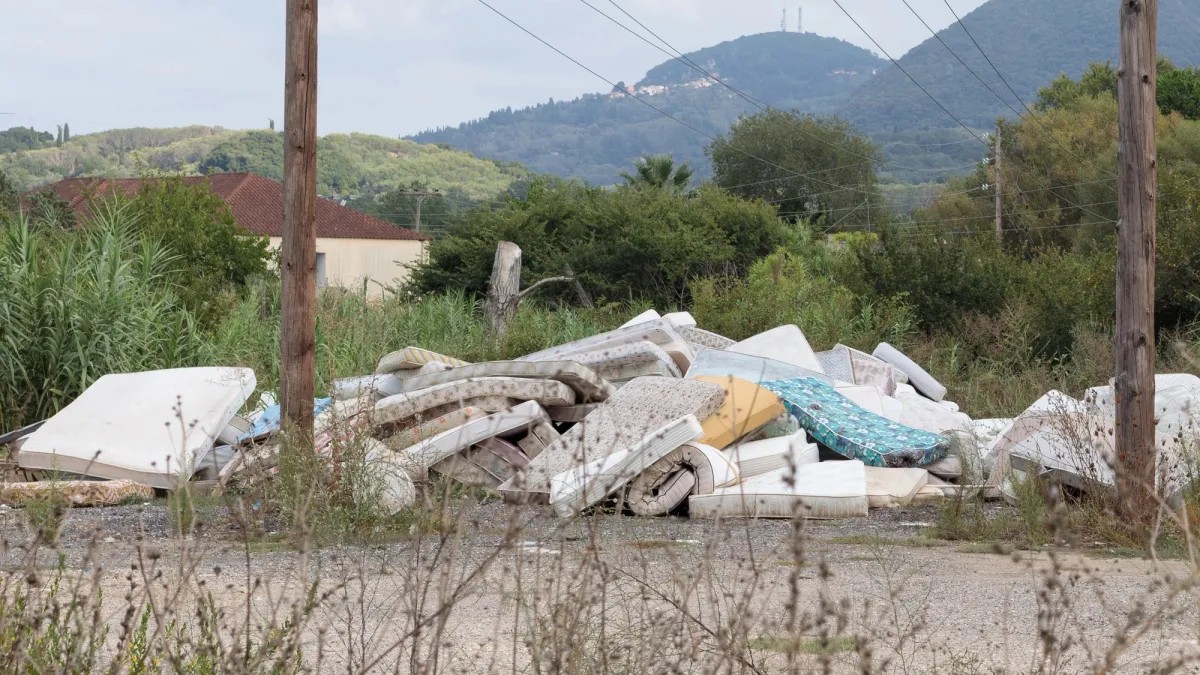
The Mattress Waste Crisis
Each day, roughly 50,000 mattresses are thrown away in the United States alone. Despite being largely recyclable (up to 75% of the materials can be recovered), their bulk and composition mean they often take over a century to decompose in landfills. This has led to the creation of organizations like the Mattress Recycling Council, dedicated to tackling the problem.
The Fungal Solution
The research team, led by chemical engineer The Nguyen, harnessed the power of Penicillium chrysogenum, a fungus closely related to the species that produces penicillin. By combining fungal spores with shredded polyurethane foam from discarded mattresses, they triggered a natural process where the fungal roots bind to the waste material. This creates calcium carbonate deposits, which mesh with the foam to form a lightweight, heat-resistant solid.
Key Findings and Performance
The resulting material proved surprisingly durable in testing, withstanding temperatures up to 1,832°F (1,000°C). It also demonstrated insulation performance comparable to commercial products already used in construction. This means discarded mattresses can be repurposed into high-quality, fire-resistant insulation for homes and buildings.
Future Implications
The team believes this technique could extend beyond insulation, potentially leading to the creation of fire-resistant building panels and even 3D-printed construction components.
“Our work shows how combining biology with waste materials, while leveraging deep manufacturing science, can lead to smart, low-impact solutions that better the environment and the lives of everyone,” said Nguyen.
By turning a major waste stream into a valuable resource, this fungal recycling method represents a significant step towards a more circular economy in construction and beyond.