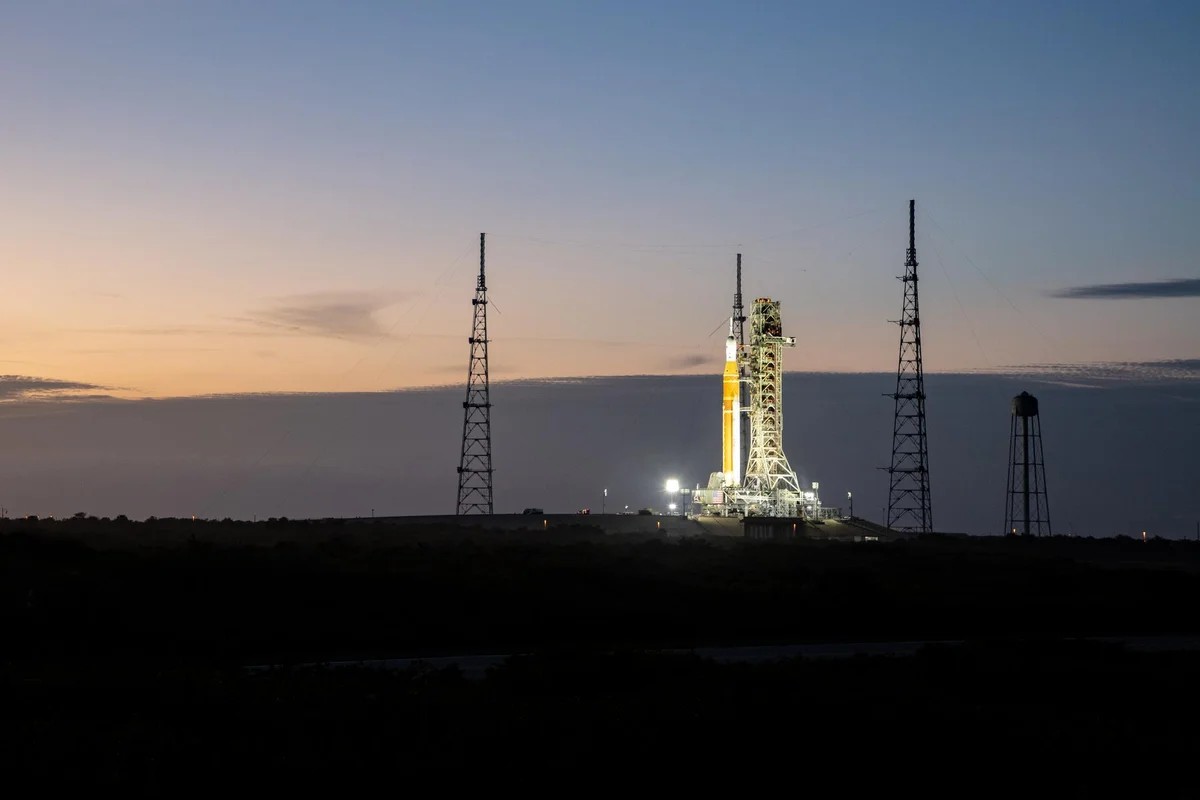
NASA is moving forward with preparations for Artemis II, the first crewed mission to the Moon in over 50 years. A key component of this process is the “wet dress rehearsal”—a full-scale test of the Space Launch System (SLS) rocket and Orion capsule designed to carry four astronauts on a lunar flyby and return to Earth.
Critical Testing at Kennedy Space Center
Engineers at the Kennedy Space Center in Florida are scheduled to begin the wet rehearsal as early as January 31. The test involves fully fueling the SLS rocket with over 700,000 gallons of supercooled liquid oxygen and liquid hydrogen and then simulating a launch countdown. This is not merely a formality; it’s designed to catch and resolve any issues before astronauts are put at risk.
Lessons from Artemis I
The agency is approaching this phase cautiously, given the challenges faced during the uncrewed Artemis I mission in 2022. That test revealed recurring liquid hydrogen leaks, which forced the rocket back to the Vehicle Assembly Building for repairs and significantly delayed the launch. Fixing these leaks is crucial because cryogenic fuels are inherently volatile and difficult to manage.
Ensuring Crew Safety: Water Quality and Emergency Systems
Beyond the fuel systems, NASA is also conducting thorough checks of the Orion capsule’s water supply. Initial tests showed higher-than-expected levels of organic carbon, requiring adjustments to ensure the water is safe for consumption during the mission. Furthermore, safety protocols are being upgraded, including modifications to the emergency exit system—a series of gondola-like baskets designed to quickly evacuate crew and personnel from the launchpad in the event of an anomaly.
What This Means
The success of the wet dress rehearsal is critical for maintaining NASA’s target launch window for Artemis II, which could come as early as the first week of February. The program represents a major step in resuming lunar exploration, but also highlights the persistent technical hurdles involved in deep-space missions. This mission is not just about reaching the Moon; it’s about proving the reliability and safety of the hardware that will carry humans beyond Earth orbit for decades to come.