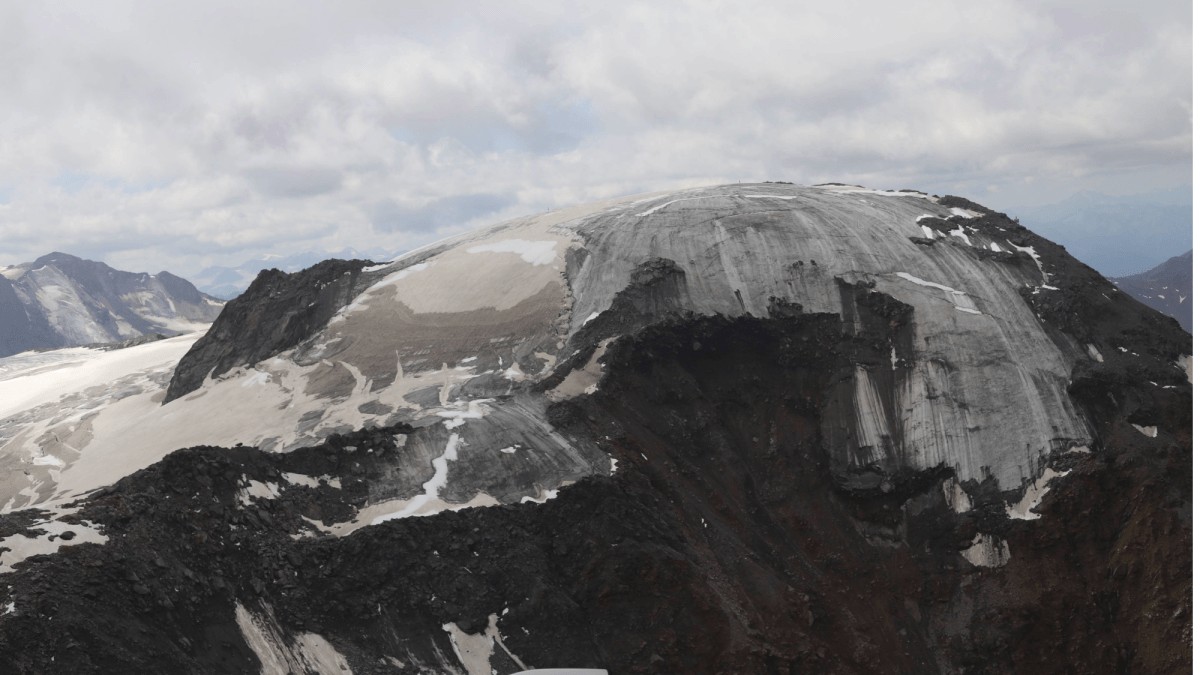
Deep in the Eastern Alps, the Weißseespitze glacier—a frozen archive dating back 6,000 years—is melting at an alarming rate. This isn’t just an environmental loss; it’s the destruction of a unique historical record that contains clues about pre-industrial human activity, pollution levels, and ancient climate events. Scientists are racing against time to extract this irreplaceable knowledge before it disappears forever.
A Frozen Time Capsule
The Weißseespitze ice cap, situated between Austria and Italy, formed over millennia as layers of snow compressed into dense glacial ice. This process trapped atmospheric particles—dust, pollutants, and smoke—creating a frozen record of Earth’s past. Ice cores drilled from the glacier reveal atmospheric conditions stretching back to the Roman Empire and beyond. This provides invaluable data about how human settlements and natural events have altered the environment.
What the Ice Reveals
From 2019 to 2024, researchers extracted a 32-foot-long ice core. Analysis revealed traces of medieval mining, agricultural fires, and volcanic eruptions across the Northern Hemisphere. Specifically:
- Levoglucosan peaks around 1128 CE suggest recurring wildfires linked to the Medieval Warm Period, possibly due to droughts and land clearing.
- Arsenic spikes between the 11th and 17th centuries correlate with intensified silver and copper mining in Germany, Austria, and Italy.
- Sulfate peaks align with major volcanic eruptions recorded in Greenland and Antarctica.
These findings offer critical insight into how human pollution has increased since the Industrial Revolution. The glacier’s ice acts as a condensed historical record: “It’s a bit like reading a very dense book – it’s small in size, but it’s full of information,” explains paleoclimatologist Azzurra Spagnesi.
The Melting Crisis
The Weißseespitze glacier is vanishing rapidly. Since 2019, scientists estimate that over 14.7 feet of ice has melted—representing centuries of lost history. With 30% of Eastern Alpine glaciers projected to disappear by 2030, the urgency to extract remaining data is critical. The loss isn’t just of ice; it’s the loss of irreplaceable climate knowledge.
“Glaciers preserve the memory of our planet,” says Spagnesi. “When they disappear, we don’t only lose the ice, we lose the irreplaceable knowledge of how Earth’s climate has evolved and how human activity has influenced it.”
Researchers plan to return for one last expedition, hoping to salvage what remains of this ancient archive. The fate of the Weißseespitze serves as a stark reminder that climate change isn’t just an environmental issue—it’s a cultural and historical tragedy in the making.