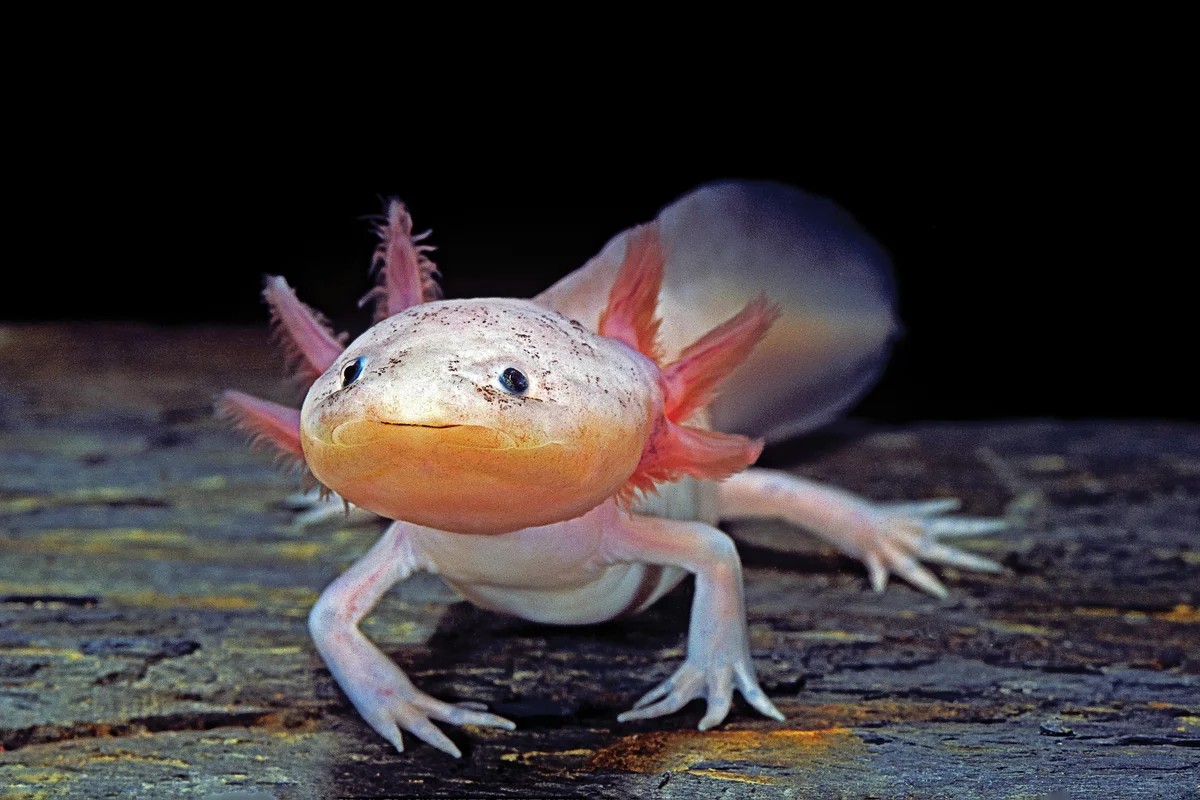
Axolotls, the critically endangered salamanders native to Mexico, have once again astonished scientists with their regenerative capabilities. New research published in Science Immunology reveals that these creatures can fully regrow their thymus, a complex immune organ essential for T-cell production, from complete removal. This is the first documented instance of full thymus regeneration in any vertebrate, challenging long-held assumptions about immune organ repair.
The Breakthrough Discovery
For decades, the thymus was considered an organ that deteriorates with age and, once damaged or removed, could not be fully restored. Previous studies showed partial regeneration in some animals, but axolotls defy expectations by rebuilding the intricately structured thymus from scratch. Researchers at the Chinese Institutes for Medical Research and the University of Massachusetts Chan Medical School removed the thymus from juvenile axolotls and observed complete organ regrowth in over 60% of subjects within 35 days.
Functional Regeneration Confirmed
The regenerated thymuses weren’t merely structurally similar; they were fully functional. When transplanted into other axolotls, the organs integrated seamlessly, indicating a complete restoration of immune capacity. This level of functional regeneration is unprecedented and suggests a unique biological pathway at play.
Key Genetic and Molecular Factors
The study identified two critical components driving the regeneration process: the Foxn1 gene, already known to be vital for thymus development, and a signaling molecule called midkine. While midkine is present in human embryos, it becomes largely inactive in adults. The presence of midkine in axolotls suggests that reawakening this pathway could potentially stimulate thymus regrowth in humans, reversing immune aging or aiding patients who have undergone thymectomies (surgical removal of the thymus).
Implications for Human Medicine
Axolotls are becoming a cornerstone of regeneration research, offering a natural “master key” for understanding and potentially replicating regenerative processes in humans. Researchers are exploring ways to manipulate human stem cells to mimic the axolotl’s regenerative capabilities, paving the way for transformative immune therapies.
“We are laying the groundwork for transformative therapies that could redefine our approach to immune restoration,” says study co-author Maximina H. Yun.
The ability to stimulate thymus regrowth could revolutionize treatments for immune deficiencies, autoimmune diseases, and age-related immune decline. The axolotl’s remarkable regeneration abilities provide a vital blueprint for future medical breakthroughs.