Breakthroughs, discoveries, And DIY tips — sent six days a week
The Chapel Field Connection
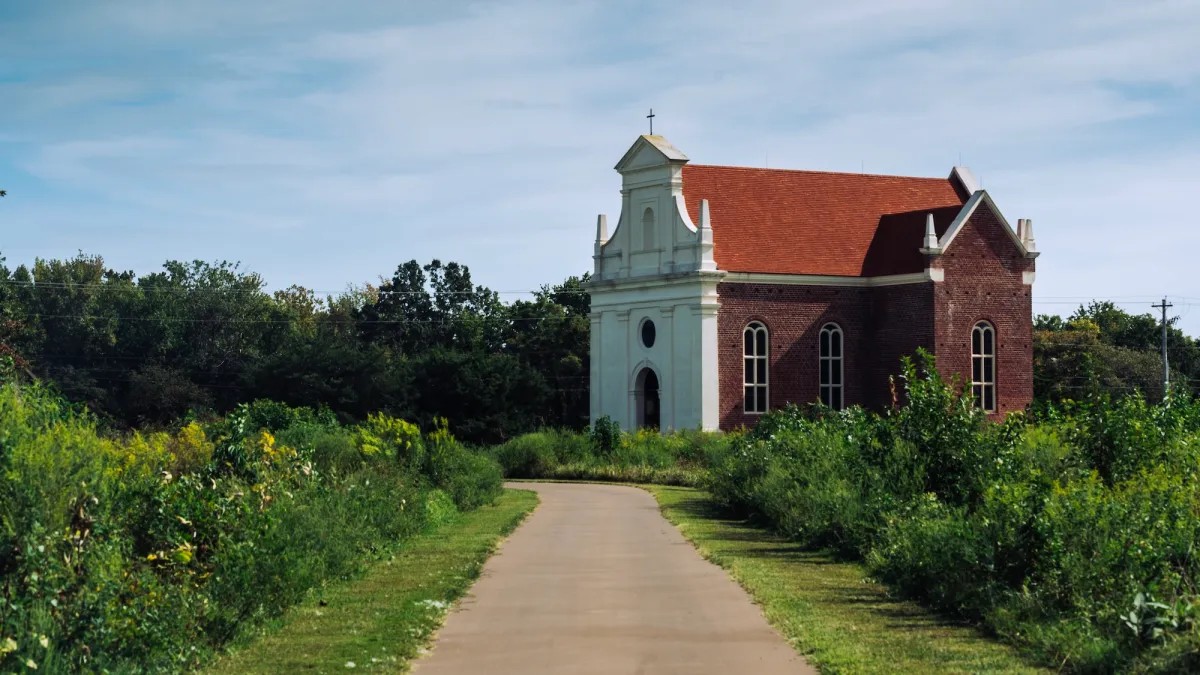
St. Mary’s City stood as the first permanent English foothold in Maryland way back in 1634.
Time moves on. People die.
Forty-nine colonists ended up in the Chapel Field cemetery between that founding and 1734
Scientists didn’t know who most of them were
Well. Not anymore.
Researchers from Harvard, the Smithsonian, and 23andMe got together
They crunched the genes.
The result?
Over 1.3 million living people trace their direct lineage back to this tiny group of early settlers
Bones, Bricks, and Lead Coffins
This isn’t some flash-in-the-pan study.
It’s built on decades of digging
Way back in 1986, archaeologists pulled three extremely rare lead coffins from the Brick Chapel. Inside? Philip Calvert. His first wife Anne. An infant son from his second wife
Philip Calvert was a big deal — the fifth governor of Maryland.
Later DNA testing tied the Calverts to three other bodies nearby.
“Although we don’t know the exact relations to Philip, the significance is clear,” said Douglas Owsley at the Smithsonian
His half-brothers Leonard and George also died here. It makes sense they might be buried close by
Surprise Family Trees
Here’s where it gets interesting
Geneticists found relatives among five other families in that same plot. One even spanned three generations
Owsley admits finding a multigenerational cluster was shocking.
“Mortality was so high”
It simply shouldn’t have happened without genetic confirmation
From there? They scaled up.
Matching Against 11.5 Million Profiles
The team didn’t stop at the grave site
They took those DNA results and ran them against the 23andme database
11.5 million participant profiles later?
They identified around 1.3 million modern-day cousins of the first Europeans in Maryland
The data also backed up history
Between 1780 and 1820 many colonists fled south. Heading for Kentucky
Why? Economic stress. Anti-Catholic sentiment
History books knew this.
Now the DNA confirms the migration path
The Ghost of Governor Greene
The boldest part? Identifying bodies with no prior knowledge
Researchers looked for people in the database who shared strong genetic markers with the known Calvert graves
They cross-referenced anthropological clues and known lineages
Narrowing it down
The verdict? The remains likely belong to Thomas Greene
He was Maryland’s second governor. Along with his wife Anne and son Leonard
This is the first time ancient DNA identified unknowns with no starting assumption about who they were.
Éadaoin Harney from 23andme pointed out the odd coincidence. One of the mysterious figures turned out to be a prominent colonial leader
David Reich of Harvard adds that written records, no matter how rich, have gaps
Genetic data fills those holes. Sometimes with surprises
You can’t make this up