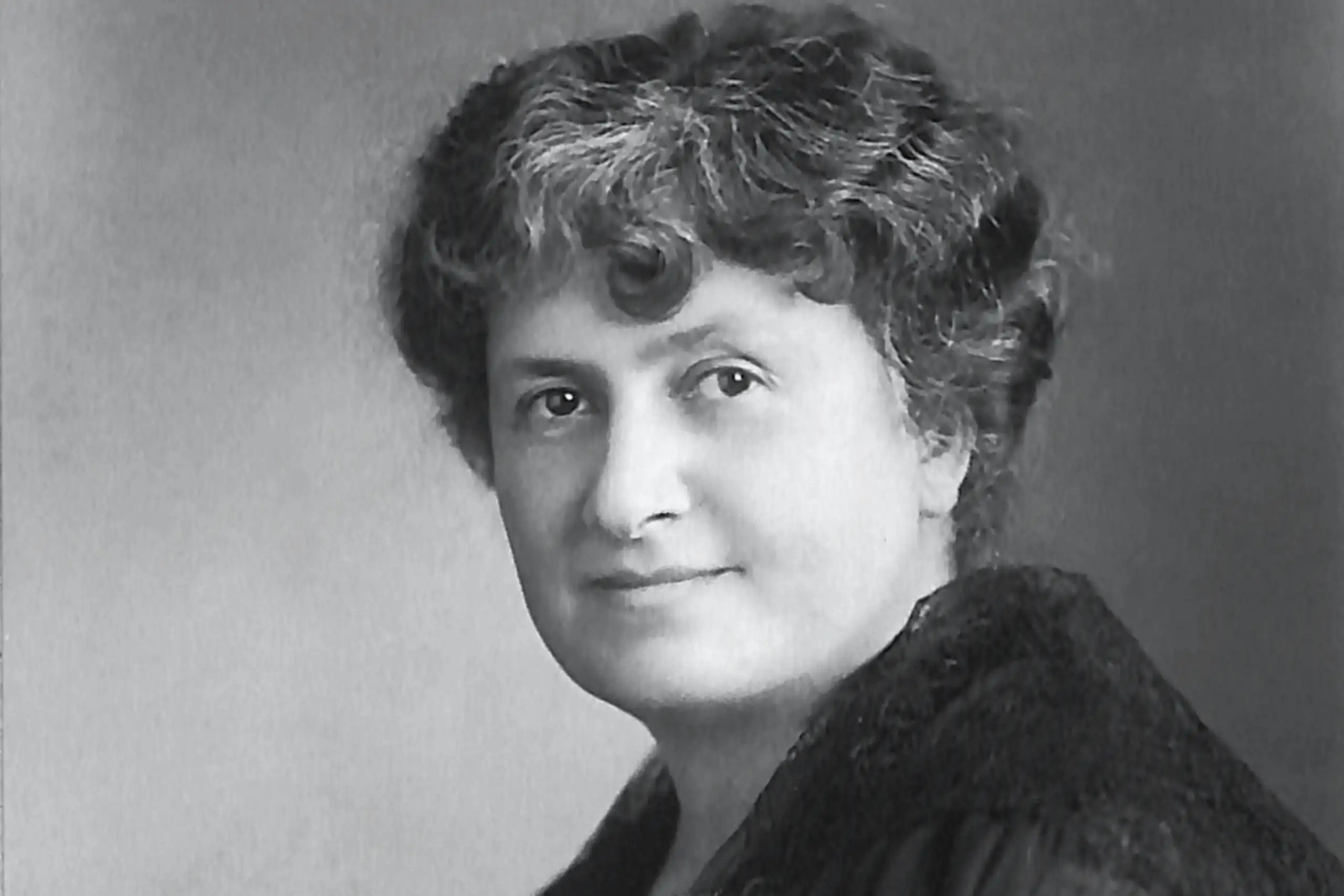
Education isn’t just about moving kids from one grade to the next. It is the engine of social progress. It shapes who you become. Some educators don’t just teach. They change how millions of people think. Maria Montessori is one of them.
She didn’t just hand out facts. She rebuilt how we understand child development. Her methods forced the system to stretch. She made learning accessible for students from every background. Socio-economic barriers crumbled under her approach. This created a more inclusive classroom. That is rare. Most systems try to filter people out. Montessori tried to let them all in.
The Montessori Method Explained
So, what exactly did she do? She observed children. Then she built the environment to fit them. Not the other way around.
Traditional schools often ask kids to sit still. They listen. They repeat. Montessori saw that children learn by doing. She designed tools that let them touch, move, and solve problems.
“The greatest sign of success for a teacher… is to be able to say, ‘The children are working as though I did not exist.'”
This isn’t a theory. It’s a practical framework. Here is how it works in practice:
- Child-led learning: Students choose their tasks. This builds intrinsic motivation.
- Prepared environment: Every item has a purpose. It invites exploration.
- Mixed-age classrooms: Older kids mentor younger ones. Collaboration replaces competition.
- Uninterrupted work blocks: Deep focus is protected. No constant bells or breaks interrupt the flow.
Why It Still Matters Today
You might wonder if this old method still fits the modern world. It does. In an age of distraction, the ability to focus deeply is a superpower. Montessori classrooms train the brain to sustain attention.
Her legacy isn’t just in the names on buildings. It’s in the way we view potential. She proved that discipline doesn’t come from punishment. It comes from engagement. When a child is truly interested, they self-correct. They don’t need a teacher hovering over their shoulder.
This approach benefits not just the students. It changes the role of the educator. Teachers become guides. They observe. They step in only when necessary. This shifts the power dynamic. It respects the child’s autonomy.
Who Was Maria Montessori?
Born in Italy in 1870, she was one of the first female doctors. She studied psychiatry. She worked with children who had special needs. She noticed that traditional teaching failed them. But these children thrived when given concrete materials to manipulate.
She realized the same could be true for all children.
She opened her first classroom, the Casa dei Bambini (Children’s House), in 1907. It was in a poor neighborhood. The results were immediate. Children who were previously deemed “unteachable” learned to read. They developed a sense of order. They became confident.
Her work spread globally. Critics called her ideas radical. Supporters called them revolutionary. The truth is simpler. It was effective.
Practical Takeaways for Modern Parents
You don’t need to send your kid to a private Montessori school to get some of these benefits. The principles can be adapted at home.
- **Reduce
Paulo Freire: Okumayı Öğretmek ve Okumayı Yeniden Düzenlemek
Maria Montessori’nin çocuk odalarına getirdiği sakin, düzenli özgürlükten farklı bir sınıfa geçiyoruz. Sınıfın içinde değil, dışında, daha geniş toplumsal bir bağlamda duruyoruz. Burada konu sadece çocuğun zihnini geliştirmek değil, toplumu dönüştürmek.
Paulo Freire, Brezilyalı pedagojist ve eğitim felsefecisi. 1921’de Recife’de doğdu. Hayatı, yoksulluk ve siyasi baskı ile iç içe geçti. İkinci Dünya Savaşı sonrası Brezilya’da kıtlık ve yoksulluk derinleşirken, Freire halk eğitimi üzerine çalışmaya başladı. Düşüncelerinin özü basit görünür ama devrimcidir: Eğitim, boş bir damlayı doldurmak değildir.
Eleştirel Pedagojinin Doğuşu
Freire’nin 1960’larda geliştirdiği yöntem, geleneksel “banka modeli” eğitimine karşı çıktı. Bu modelde öğretmen bilgiyi öğrencinin zihnine depolar. Öğrenci pasif bir alıcıdır. Freire buna şiddetle itiraz etti. Ona göre bu yöntem, baskı altındaki toplumlarda insanları itaatkâr hale getirmek için kullanılan bir araçtı.
Onun yerine “eleştirel bilinç” kavramını getirdi. Okuma ve yazma öğretimi, sadece harfleri tanımanın ötesine geçmeliydi. İnsanların kendi gerçekliklerini okuyabilmesi, anlamlandırabilmesi ve değiştirme gücüne sahip olması gerekiyordu.
Halk Eğitimi ve Etkinliği
1963’te Freire, Brezilya’da yoksul kesimlere okuma yazma öğretmek için bir deney başlattı. Beklenenin aksine, geleneksel yöntemlere kıyasla çok daha kısa sürede, hatta bazı durumlarda daha etkili oldu. İnsanlar kendi sorunlarını, çevrelerini ve toplumlarını bağlam içinde öğrendiklerinde, öğrenme daha hızlı ve derinleşiyordu.
Ancak bu başarı, yetkililer tarafından tehdit olarak görüldü. 1964’teki darbe sonrası Freire hapse atıldı, ardından sürgüne gönderildi. Düşünceleri dünyaca ünlü Educação como Prática da Liberdade (Eğitim, Özgürleşme Pratiği) gibi eserlerle dışarıya taşındı.
Temel İlkeler: Diyalog ve Problemata Education
Freire’nin eğitim yaklaşımında merkeşte diyalog var. Öğretmen ve öğrenci arasındaki hiyerarşi kırılmalı. İkisi de birlikte sorunu inceliyor, birlikte çözüm üretiyor. Bu, problemata education olarak bilinir. Sorunlar önceden verilmez; birlikte ortaya çıkarılır.
- Duyarlılık (Conscientização): Kişilerin baskı koşullarını anlamlandırarak bunları aşma güdüsünün gelişmesi.
- Sorgulayıcı Sorular: “Neden böyle?” sorusu, ezberden kurtulmanın anahtarı.
- Gerçeklik Bağlamı: Eğitim, öğrencinin günlük yaşamından koparılamaz.
Neden Hâlâ Konuşuluyor?
Freire’in mirası, sadece eğitim dünyasında değil, aktivizmde, toplumsal örgütlenmede ve hatta modern dijital okuryazarlık tartışmalarında hâlâ canlı. Öğrencilerin pasif alıcılar değil, aktif üreticiler olduğu bir yaklaşım sunması, standart test odaklı sistemlerde hâlâ radikal kabul ediliyor.
Günümüzde “öğrenci merkezli öğrenme” veya “aktif öğrenme” denildiğinde çoğu zaman Montessori’ye atıf yapılır. Oysa Freire, bu aktiv
Paulo Freire was not just an academic. He was a force of nature who grew up in the poverty-stricken streets of Recife, Brazil, and went on to upend how the world thinks about teaching. Born in 1921, his childhood was defined by scarcity. Yet, he studied law before realizing that legal frameworks alone couldn’t fix societal rot. The real tool was education.
He shifted his focus to literacy campaigns in Brazil’s poorest regions. He didn’t just teach people to decode words. He taught them to read their reality. This approach became known as critical pedagogy. It turned learning into a mechanism for empowerment.
The Banking Model vs. Dialogic Pedagogy
Freire’s most famous work, Pedagogy of the Oppressed, dismantles the traditional classroom. He called the standard method the banking model. In this setup, the teacher is the depositor. The student is an empty account. The teacher pours facts into the student’s head. The student memorizes and repeats. There is no critical thought. No creativity. Just passive reception.
“Education must begin with the solving of the student’s presentation of the world by solving the student’s presentation of reality.”
Freire hated this. He argued for dialogic pedagogy. Here, the hierarchy dissolves. Teacher and student are both learners. They engage in dialogue. They build knowledge together. It is a horizontal process. The teacher still has more experience, but they do not dominate the conversation. They pose problems. They ask questions. The students respond. The cycle continues until mutual understanding is reached.
Why This Matters for Modern Learning
This isn’t just theory from the 1970s. It is a practical framework for today.
When you apply dialogic pedagogy, you shift from memorization to problem-solving. You encourage critical thinking. Students learn to question authority. They learn to identify social injustices. They see education as a way to transform their own lives.
Consider how this looks in a real setting:
* Traditional Class: Teacher lectures on history. Students take notes. Test follows.
* Freirean Classroom: Teacher and students discuss a current event. They analyze power dynamics. They connect it to their community. They decide on an action plan.
The second approach creates citizens. The first creates employees.
From Exile to Global Influence
Freire’s career was interrupted by Brazil’s 1964 military coup. He was exiled. He fled to Chile, then to the United States. He continued his work in various countries. It was in Chile, during his exile, that he wrote Pedagogy of the Oppressed. The book became a manifesto for educators and activists worldwide.
His ideas spread to Latin America, Africa, and Asia. They inspired education reforms in regions battling colonial legacies and systemic inequality. Today, his methods are still used by teachers who want more than rote learning. They want social change.
The Lasting Impact of Critical Pedagogy
Freire died in 1997, but his legacy is alive in classrooms that reject the banking model. His work reminds us that education is not neutral. It either functions as a tool to integrate the younger generation into the logic of the present system, or it becomes the practice of freedom.
For students, parents, and lifelong learners, the lesson is clear. Don’t just accept information. Question it. Discuss it. Apply it.
Education is not a spectator sport. You are in the game. The question is whether you are just watching, or are you helping to write the rules? The world is waiting for your answer.
Jean Piaget: Çocuk Zihninin Mimarı
John Dewey’in “yaparak öğrenme” vurgusu, zihnin nasıl çalıştığını anlamak isteyen bir sonraki büyük düşünür için kapıyı araladı. Jean Piaget. İsviçreli bu psikolog, çocukları küçük bilginler olarak görmedi. Onlar için çocuklar, dünyayı anlamlandırmak için aktif deneyler yapan küçük bilim insanlarıydı.
Kariyerin İzleri
1896’da Neuchâtel’de doğan Piaget, ilk ilgisi biyolojiye yönelikti. Kabuklular üzerinde çalışırken, gözlem yeteneği zeminini hazırladı. Sonra gözleri psikolojiye çevrildi. Zürih Üniversitesi’nde eğitim aldı. Çocukların mantıksal gelişimini izlemek üzere Paris’teki Binet Enstitüsü’nde çalıştı. Burada soruların sırasını ve hatalarını kaydetmek, onun için sadece test uygulamak değil, düşünce süreçlerini haritalamak demekti.
1920’lerde Cenevre’ye taşındı. Orada Çocuk Okulu’nu kurdu. Sadece öğretmenlik yapmadı. Kendi gözlemlerini not defterlerine, hatta bazen oğluna ve kızına yaptıkları diyaloglara döktü. Bu saha çalışmaları, çocuk zihni gelişimi alanındaki en sağlam veri setlerinden biri oldu.
Bilgi Nasıl İnşa Edilir?
Piaget’in fikri basitti. Çocuklar dünyayı pasif bir sünger gibi emmezler. Onlar aktif olarak inşaat yaparlar. Zihinleri schema adı verilen kalıplar oluşturur. Yeni bir bilgiyle karşılaştıklarında ya bu bilgiyi mevcut kalıplarına uyarlarlar (uyumlama) ya da kalıpları değiştirirler (denklemleme).
“Çocuklar yetişkinlerin küçültülmüş versiyonları değildir. Farklı mantıkla düşünürler.”
Bu basit ama devrimci görüş, eğitimde ne anlama geliyor? Öğretmenlerin içeriği ezberletmek yerine, öğrencilerin kendi keşiflerini yapmalarına izin veren ortamlar yaratması gerektiğini gösterdi.
Gelişim Aşamaları: Nasıl Çalışır?
Piaget, bilişsel gelişimi dört aşamaya ayırdı. Her biri kilitli kapılar gibiydi. Bir önceki aşamadan geçmeden diğerine geçilemez.
- Duyusal-Hareketsel Dönem (0-2 Yıl): Bebekler dünyayı dokunarak, tadarak ve hareket ederek keşfeder. Nesne kalıcılığı bu dönemde kazanılır. Bir oyuncak görünmezden kaybolursa, bebek onu aramaya başlar.
- Ön Operasyonel Dönem (2-7 Yıl): Dil ve sembolik oyun hızlı gelişir. Ancak düşünce henüz egosentriktir. Çocuk, başkalarının bakış açısını tam olarak kavrayamaz. Mantık eksiktir.
- Somut Operasyonel Dönem (7-11 Yıl): Mantık ortaya çıkar. Ancak bu mantık somut nesnelere bağlıdır. Bir çocuğa iki cam bardaktaki su miktarını sorduğunuzda, biri daha ince ve uzun bardağa sahip olsa bile, su miktarının aynı olduğunu anlar.
- Soyut Operasyonel Dönem (11+ Yıl): Artık hipotezler kurulabilir. Geleceğe dair planlar yapılabilir. Matematiksel ve felsefi düşünceler somut bir nesne gerektirmez.
Eğitimde Pratik Uygulama
Bu teoriler sınıf duvarlarının ötesine geçiyor
Sovyet psikolog Lev Vygotsky, Jean Piaget’in bireysel keşif vurgusundan farklı bir rota izledi. Onun sociokültürel kuramı, öğrenmenin köklerinin sosyal bağlamda ve dilde yattığını öne sürerek eğitim anlayışını değiştirdi.
Erken Dönem ve Çarpıcı Son
1896’daki Tula’daki doğumundan sonra Vygotsky,Moskova’da hukuk ve edebiyat okudu. Ancak ruh bilimine olan tutkusu onu psikolojiye yöneltti. 1924’teki İkinci Tüm-Rus Ruh Bilimi Kongresi’nde sunduğu sunum, onu aniden tanınır hale getirdi. Bu erken başarı, kısa bir ömürle sonuçlandı. 1934’te veremden 37 yaşında öldü. Ancak bıraktığı eserler, özellikle Düşünce ve Dil adlı kitabı, eğitim psikolojisinin temel taşlarından biri oldu.
Çizgisel Olmayan Gelişim
Vygotsky, gelişimin doğrusal olmadığını savundu. Bireysel gelişim ile sosyal kültür arasındaki ilişkiyi merkeze aldı. Zihinsel gelişim, sosyal etkileşimlerden besleniyordu. Bu bakış açısı, çocukların öğrenme süreçlerini anlamak için farklı bir pencere açtı.
Önemli Kavramlar
Vygotsky’nin teorisi, modern eğitim pratiklerinde hala sıkça kullanılan üç ana kavram etrafında şekillenir:
- Yakındaki Gelişim Bölgesi (ZPD): Bu kavram, bir öğrencinin mevcut bağımsız yetenekleri ile bir rehber veya daha yetkin arkadaşın yardımıyla ulaşılabilecek potansiyel düzey arasındaki boşluğu tanımlar. Öğrenme, bu bölgede gerçekleşir.
- İlgi Çekici Destek (Scaffolding): Daha yetkin bir kişinin, öğrencinin ZPD içindeki görevleri tamamlamasını kolaylaştırmak için sağladığı geçici desteği ifade eder. Destek zamanla kaldırılır.
- Dil ve Düşünce: Vygotsky, dilin sadece iletişim aracı olmadığını, düşünme biçimini şekillendirdiğini belirtti. İç konuşma (içsel dil), zihinsel süreçlerin gelişimi için kritik bir rol oynar.
Eğitimdeki Pratik Etkileri
Vygotsky’nin fikirleri, sınıflarda işbirlikli öğrenmeyi ve yapılandırılmış rehberliği teşvik etti. Öğretmenler, öğrencilerin kendi başlarına yapamayacakları şeylere, destekle erişmelerini sağlayarak öğrenmeyi hızlandırabilir. Bu yaklaşım, pasif bilgi aktarımından aktif sosyal inşaya doğru bir kayma yarattı.
Neden Hâlâ Önemli?
Günümüz eğitim sistemleri, bireysel yeteneklere odaklansa da, sosyal etkileşimin gücünü göz ardı etmemek gerekir. Vygotsky, öğrenmenin doğal olarak toplumsal bir eylem olduğunu hatırlatır. Grup çalışmaları, rehberli okuma ve akran öğretimi gibi uygulamalar, onun mirasını bugün de ayakta tutuyor.
6. Jerome Bruner
The Zone of Proximal Development: How Scaffolding Actually Works
Lev Vygotsky didn’t just watch kids learn. He mapped it.
Born in Belarus in 1896, Vygotsky studied law before pivoting to psychology and education in Moscow. It was a short run. Tuberculosis took him at 37 in 1934. But the framework he left behind reshaped how we understand cognitive growth. His sociocultural theory argues that learning isn’t an isolated event inside a skull. It’s social. It’s cultural. And language is the primary tool for that process.
This isn’t just abstract theory. It’s the blueprint for how a child moves from “I can’t do this” to “I did it.”
Defining the Zone of Proximal Development
The core of Vygotsky’s impact is the Zone of Proximal Development (ZPD).
Think of it as a gap. A specific, measurable space between what a learner can do alone and what they can achieve with guidance.
If a child can solve a puzzle by themselves, that’s their actual developmental level. If they can’t touch it, it’s too hard. The ZPD is the middle ground. It’s the sweet spot where learning happens.
“Learning awakens a variety of developmental processes that are able to operate only when children are in interaction with others and in cooperation with their peers.” — Lev Vygotsky
This concept answers the “how” of effective teaching. It proves that instruction shouldn’t chase development. It should lead it.
Scaffolding: The Mechanism of Support
How do you bridge that gap? Through scaffolding.
Vygotsky’s idea predates the modern term, but the logic is identical. An adult or more capable peer provides temporary support. They break the problem down. They model the solution. They offer cues.
Crucially, this support is temporary.
As the learner gains competence, the scaffolding is removed. The responsibility shifts back to the student. The goal is independence. If the support stays forever, the student never builds their own mental muscle. If it’s removed too early, frustration sets in. The timing is everything.
Language as the Engine of Thought
Vygotsky also dismantled the idea that thinking comes first, then speech. He argued the opposite.
For young children, speech starts as social communication. “Look at that!” or “Give me that.” But then, something shifts. Children begin to talk to themselves.
This is private speech. It’s not a sign of narcissism. It’s a cognitive tool. Children use these self-directed words to regulate their behavior and solve problems. “Now I put the red block here.” They are thinking out loud to think clearly.
By adolescence, this external speech turns inward. It becomes inner speech. The basis of our own silent reasoning.
Why This Matters for Modern Education
Vygotsky’s legacy is visible in almost every progressive classroom today.
Traditional schooling often treats education as a broadcast. Teacher talks. Student listens. Vygotsky flips this. He insists on social learning. Students learn by interacting with peers, not just consuming content.
This changes the teacher’s role. They aren’t just a source of facts. They are a guide. A facilitator. They diagnose the ZPD. They provide the right amount of scaffolding at the right time.
Culture also plays a massive role. Vygotsky noted that cognitive development is shaped by cultural tools and symbols. A child in a culture that values storytelling develops different cognitive strategies than one in a culture focused on rote memorization. There is no single “correct” way to learn. The method must fit the context.
The Enduring Question
We still struggle to apply this consistently.
Standardized testing measures what a child can do alone. It ignores the ZPD. It ignores the potential that only exists with help.
But for parents and educators who pay attention, the results are clear. When you respect the zone between “can’t” and “can,” you unlock a different kind of intelligence. It’s collaborative. It’s dynamic.
Do we have the patience to wait for that scaffolding to be built? Most of us want the result. We rarely want to build the support structure.
How Doğan Cüceloğlu’s Psychology Changed Education in Turkey
Most of us grew up thinking education was just about memorizing facts. Doğan Cüceloğlu thought differently. He saw a gap. A huge one. In Turkey, psychology wasn’t just an academic subject. It was a tool for survival.
Born in Mersin in 1938, Cüceloğlu didn’t stay in the classroom. He went to the University of Illinois in the US. There, he earned a PhD in clinical psychology. This wasn’t just a degree. It was a shift in perspective.
When he returned to Turkey, he didn’t stay quiet. He joined Hacettepe University. He didn’t just teach. He built something. The Center for Communication and Personal Development. It became a hub. Not for theory. For practice.
Why His Approach to Learning Still Matters Today
Traditional schooling often ignores the self. Cüceloğlu argued it shouldn’t. He believed education must do more than transfer information. It must help you find yourself.
“Education should help individuals discover their inner world and build healthy relationships with others.”
This isn’t abstract philosophy. It’s practical. It’s about skills. Skills you can use tomorrow.
His books sold out. Fast. Titles like İnsan İnsana (Human to Human), Var mısın? (Are You There?), and Keşkesiz Yaşamak (Living Without Ifs) became bestsellers. He didn’t just write. He spoke. On TV. In newspapers. He reached millions.
Core Principles for Personal Growth
You don’t need a degree to apply his ideas. They’re simple. But they’re not easy.
- Communication: It’s the foundation. Without it, relationships crumble. Cüceloğlu stressed effective communication. Not just talking. Listening. Connecting.
- Empathy: Understanding others’ feelings isn’t optional. It’s necessary. He believed developing empathy makes us kinder. More tolerant.
- Self-Awareness: Know your strengths. Know your weaknesses. Know your values. This awareness leads to better decisions. A more meaningful life.
- Personal Development: Never stop learning. Growth isn’t a destination. It’s a habit.
The Impact of His Work
Cüceloğlu filled a void. A silence in Turkish society. He gave people words for their feelings. Tools for their struggles.
His legacy isn’t just in his books. It’s in the people who changed. Who started listening. Who started understanding themselves.
The question isn’t whether his work matters. It’s whether you’re ready to apply it.
Ken Robinson: Yaratıcılık Krizi ve Okul Sisteminin Sorunları
Ken Robinson, İngiliz yazar ve eğitim danışmanı. Okulların yaratıcılığı boğduğunu savunarak dünya genelinde milyonlarca insanın dikkatini çekti. 2006 TED konuşması, internet tarihinin en çok izlenen videolarından biri haline geldi. Neden? Çünkü dinledikleri gerçekti.
Hayatı ve Kariyeri:
1950 yılında İngiltere’nin Lancashire bölgesinde doğdu. Sanat tarihçisi olarak başladı, sonra eğitim politikasına yöneldi. UNESCO, Birleşmiş Milletler ve hükümetler için danışmanlık yaptı. En bilinen eseri “Kreativite Okulları” üzerine yazdığı rapor ve bu raporun ardından yaptığı konuşmalarda basitleştirilmiş, vurucu mesajlar paylaştı.
Yaratıcılık Savunması:
Robinson’a göre modern eğitim sistemi endüstriyel devrimin ihtiyaçlarına göre tasarlandı. Çocuklar fabrikalar için işçi olmaya hazırlanıyor. Bunu görmezden geliyorduk. Robinson, yaratıcılığın zekanın bir alt kümesi olduğunu, her alanda var olduğunu ve geliştirilebilir olduğunu belirtti.
Oysa okulda sadece belirli türlerde zeka ödüllendiriliyordu. Hangi zeka? Matematik ve dil. Sanat, müzik, beden eğitimi ya da drama gibi alanlar genellikle “ayrıştırıcı” dersler olarak görüldü. Robinson bu hiyerarşiyi eleştirdi. Hiçbir yetenek diğerinden üstün değil. Sadece farklı.
“Yaratıcılık, sadece sanatla sınırlı değildir. Bilimde, teknolojide, iş dünyasında da vardır.”
Eğitim Sisteminin Eleştirisi:
Robinson, standartlaşmış eğitim programlarının öğrencilerin doğuştan gelen merakını öldürdüğünü iddia etti. Öğrenciler doğru cevabı aramaya zorlanıyor. Yanlış yapma korkusuyla hareket ediyorlar. Oysa öğrenme sürecinde hata yapmak kaçınılmaz. Robinson’a göre okullar bu hatayı cezalandırarak çocukların risk alma yeteneklerini erozyona uğrattı.
Standart testler bu sürecin en belirgin kanıtı. Testler, öğrencileri sıralamak için tasarlandı. İhtiyaç duyulan bilgiyi ölçmekten çok, sıralama yapmak daha önemli hale geldi. Bu durum, öğretmenlerin özgürlüğünü kısıtladı. Ders içeriği daraldı.
Gardner’la İlişkisi ve Farkları:
Ken Robinson, Howard Gardner’ın Çoklu Zekâ Kuramı’ndan güçlü şekilde etkilendi. Her iki düşünür de tek boyutlu zeka anlayışını reddetti. Ancak Robinson daha çok sistematik reform ve yaratıcılığın ekonomik/durumsal rolüne odaklandı. Gardner teorik temelleri attı. Robinson bu temelleri günlük eğitim politikalarına uyarlayarak eleştirdi. Robinson’a göre sistem; çocukların farklı yeteneklerini değil, sadece “akademik” yetenekleri ödüyor.
Mirasi ve Günümüzdeki Yeri:
Robinson’un 2020 yılında vefatı, eğitim camiasında büyük bir boşluk yarattı. Ancak fikirleri hayatta kaldı. “Doğru Sorular” adlı son kitabında, okulların nasıl değişmesi gerektiğine dair somut öneriler sundu.
Nasıl?
– Daha fazla sanat ve müzik programı.
– Öğretmenlere daha fazla özgürlük.
– Öğrencilerin ilgi alanlarına göre kişiselleştirilmiş öğrenme yolları.
Günümüzde manyetoterapi, robotik kodlama gibi yeni alanlar ortaya çıktığında, Robinson’un “zeka türleri”nin genişlemesi gerektiği fikri daha da geçerli hale geldi. Eğitim, sadece bilgi aktarımı değil. Kişisel gelişim ve potansiyeli açığa çıkarma sanatı. Sistem hala yavaş hareket ediyor. Ama tartışma başladı. Bu da bir başlangıç.
9. Sugata Mitra: Çöplük Okulları ve Özgün Öğrenme
Sugata Mitra, çocukların kendi kendine öğrenme potansiyeline dair radikal bir fikir ortaya koyan bir bilgisayar bilimci ve eğitimci. İskoçya’daki Edinburgh Üniversitesi’nde öğretim üyesi olarak görev yapan Mitra, geleneksel sınıf ortamlarının sınırlarını zorlayan araştırmalarıyla tanınıyor. Onun için temel soru şuydu: “Eğer çocuklara iyi bir soru sorarsak ve onlara internet erişimi sağlarsak, başkalarının onlara öğretmesine gerçekten mi ihtiyaç duyarız?”
Çöplük Okulları Deneyi:
Mitra’nın en ünlü projesi, Hindistan’ın New Delhi kasabasında başlayan “Çöplük Okulları” (School in the Clouds) deneyidir. 1999 yılında, bir bina inşaatı sırasında işçiler için bir bilgisayar ve internet bağlantısı bıraktı. Sonra gitti. Beş ila on üç yaş arası, daha önce bilgisayara hiç dokunmamış çocuklar, makineyle nasıl etkileşim kuracaklarını kendi başlarına çözdüler. Daha sonra İngilizce öğrendiler. Sonuçlar şaşırtıcıydı: Çekirdek bilgisayara erişimi olan çocuklar, geleneksel sınıf eğitimini alanlara kıyasla bilimsel kavramları daha iyi anladılar.
Bu durum, eğitim sistemlerinin “öğretmen merkezi” modeline meydan okuyordu. Mitra’ya göre, bilgiye erişim artık sınıfla sınırlı değil. Ancak erişim tek başına yeterli değil; rehberlik de gerekiyor. İşte tam burada “Bulut’daki Grandmother” (Bulut’daki Nine) kavramı devreye giriyor.
Grandmother Cloud ve Grup Çalışması:
Mitra’nın önerdiği model, çocukların sadece bilgiyi değil, öğrenme sürecini de birlikte inşa etmelerine dayanıyor. “Grandmother Cloud” fikri, uzaktaki yetişkinlerin veya mentorların, çocukların sorularını yanıtlamak ve onları yönlendirmek için sanal bir ortamda hazır bulunması anlamına geliyor. Bu, çocukların yalnızca ezberlemek yerine, kendi meraklarını takip edebilmelerini sağlıyor.
Mitra’nın eğitimde yaratıcılığı ve özerkliği teşvik etme yöntemleri şunları içerir:
- Sorulara Dayalı Öğrenme: Doğrudan cevaplar yerine, derinlemesine düşünmeyi tetikleyen açık uçlu sorular sunulur.
- Grupta Keşif: Çocuklar, problemi çözmek için birlikte çalışır. Bu, sosyal öğrenmeyi ve empatiyi güçlendirir.
- Sanal Mentorluk: Yetişkinler, öğretmen olarak değil, rehber olarak rol alır. Onlar “Bulut’daki Nine” gibi, çocukların keşif yolculuğunu destekler.
- Mekan Esnekliği: Öğrenme, sadece sınıf içinde değil, parklarda, kütüphanelerde, hatta sokaklarda gerçekleşebilir.
- Doğal Merak: Çocukların kendi başlarına merak etmesine izin verilmesi, içsel motivasyonu artırır.
Mitra’nın Mirası:
Sugata Mitra’nın çalışmaları, eğitimde “nasıl öğrendiğimizin” önemini yeniden gündeme getirdi. Onun deneyleri, standart testlere odaklanan geleneksel sistemlerin, öğrencilerin potansiyelini sınırlayabileceğini gösterdi. Mitra’nın mirası, çocukların kendi öğren
Sugata Mitra’nın “Duvardaki Delik” deneyi, sadece bir sosyal deney değil, eğitimdeki otorite yapısına atılan bir meydan okumaydı. 1952’de Kolkata, Hindistan’da doğdu. Fizik eğitimi aldı ama kariyerini bilişsel bilimlerde ve eğitim teknolojilerinde şekillendirdi. 1999’da, Hindistan’ın gecekondu bölgelerindeki çocuklara denetimsiz bir PC’ye erişim sağladı. Sonuç şaşırtıcıydı. Çocuklar kendi kendilerine İngilizce ve bilgisayar becerileri öğrendi. Bu gözlem, “En Az Müdahaleli Eğitim” (Minimally Invasive Education) adlı yaklaşımın çekirdeğini oluşturdu.
Mitra’ya göre çocuklar doğru ortam verilince kendi başlarına halledebilir. Öğretmen bilgi aktaran bir otorite değil, bir facilitator (kolaylaştırıcı). Öğrenci merkezli. Teknoloji erişimi açan bir kapı. İşbirlikçi öğrenme, çocukların birbirinden ve problemi çözmeden öğrenmesini sağlıyor. Bu miras, geleneksel sınıf anlayışını sarsmaya devam ediyor. Eğitim demokratikleşiyor. Öğrenciye güven artıyor.
10. Malala Yousafzai
Hayatı ve Kariyeri:
Sugata Mitra’nın teknolojiyle gelenekleri sarsmasıyla paralel, Malala Yousafzai’nin mücadelesi ise eğitim hakkının fiziksel ve kültürel engelleri altındaydı. 1997’de Pakistan’ın Swat Vadisi’nde doğdu. Babası Ziauddin Yousafzai, bir eğitimci ve aktivistti. Malala, henüz çocuk yaşta, Taliban’ın bölgedeki kız çocuklarına eğitimi yasaklamasına karşı sesini duyurmaya başladı. BBC için blog yazdı. “Kendimi nasıl kaybettim?” başlıklı günlükleri uluslararası dikkatleri çekti.
2012’de, Taliban militanları bybusunda onu vurdu. Hayatta kaldı. Büyük Britanya’ya tedavi için taşındı. Bu travma, onun sesini daha da güçlendirdi. Malala Yousafzai, eğitim eşitliği ve kız çocuklarının hakları konusunda dünyadaki en görünen isimlerden biri haline geldi.
Malala’nın Eğitim Felsefesi:
Malala’nın felsefesi, eğitimin bir lüks değil, temel bir insan hakkı olduğuna dayanır. Ona göre, kitlelerin sessizleştirilmesi, özellikle de kızların susturulması, toplumun geri kalmışlığının anahtarıdır. Eğitim, şiddete karşı en güçlü silahdır. Malala, geleneksel eğitim anlayışını sadece sınıf içi öğretim olarak değil, bir direniş biçimi olarak görür.
Malala’nın Eğitimde Temel İlkeleri:
-
Eğitim Hakkı: Her çocuğun, cinsiyeti ne olursa olsun, eğitim alma hakkı vardır. Bu hak evrensel ve vazgeçilmezdir.
-
Kadın ve Kız Çocuklarının Güçlendirilmesi: Kızların eğitilmesi, toplumun tamamının kalkınmasını sağlar. Malala, kız çocuklarının eğitimine odaklanarak toplumsal cinsiyet eşitsizliğiyle mücadele eder.
-
Sesini Duyurma: Malala, susturmak ve şiddet, sesini bastırmak için kullanılır. Ancak sesini duyurmak, bu baskılara karşı en etkili direniş biçimidir.
-
Uluslararası İşbirliği: Eğitim sorunları yerel değil, küresel bir sorundur. Çözüm için uluslararası işbirliği ve politika değişiklikleri gereklidir.
Malala’nın Mirası:
Malala Yousafzai, 17 yaşında Nobel Barış Ödülü’nü kazanan en genç kişi oldu. Bu ödül, onun eğitim hakkı mücadelesine uluslararası bir tanınırlık kazandırdı. Malala Yousafzai Vakfı’nı kurdu. Bu vakıf, dünyadaki kız çocuklarının eğitimine destek olur. On
The Girl Who Defied the Taliban: Malala’s Education Fight
Malala Yousafzai is not just a name. She is a global symbol. A Nobel Peace Prize winner. An activist for girls’ education. Her story spans from a small village in Pakistan to the halls of the United Nations. It proves that age doesn’t dictate impact.
Life Under Threat
Born in 1997 in the Swat Valley, Pakistan, Malala’s world shifted before she turned ten. Her father, Ziauddin Yousafzai, was a school owner and activist. He refused to accept the cultural norm that girls should stay home. He gave Malala a voice.
At eleven, she started blogging for BBC Urdu. She didn’t use a pseudonym. She used her real name. She wrote about life under Taliban rule. The militants had banned girls’ schools. They banned music. They enforced a strict interpretation of Islamic law. Malala wrote about the fear. She wrote about the loss of normal childhood.
The world noticed. The blog went viral. The Taliban noticed too.
In October 2012, the consequences were violent. A masked gunman boarded her school bus. He asked, “Who is Malala?” He shot her in the head. Two other girls were injured. She survived. Barely.
Recovery and Global Stage
The attack didn’t silence her. It amplified her. She was flown to the UK for specialized treatment. She recovered there. She continued her studies. But she also continued her activism.
In 2014, at just 17, she became the youngest-ever Nobel Peace Prize laureate. She shared the prize with Kailash Satyarthi, an Indian activist who fights child labor. The committee cited their struggle against the suppression of children and young people.
Malala didn’t stop at the award ceremony. She became a United Nations Goodwill Ambassador. She used that platform to push for policy changes. She spoke to world leaders. She demanded access to education for every girl.
The Malala Fund and Lasting Impact
Activism requires infrastructure. So she founded the Malala Fund. The goal is specific. It is not just about awareness. It is about funding. The fund supports local education activists in developing countries.
The focus is on the most marginalized girls. Those who are kept out of school due to poverty, conflict, or gender bias. The fund provides grants to these grassroots organizations. It helps them build schools. It trains teachers. It removes barriers for students.
Her legacy is not just a medal. It is a movement. It is the realization that education is a human right. Not a privilege.
Why do we still talk about her? Because the fight isn’t over. Millions of girls remain out of school. Malala’s courage gives them a blueprint. She showed that one voice, even a young one, can shake the foundations of power.
The question remains: Can we sustain this momentum? The tools are there. The example is set. The rest is up to us.
The Hidden Curriculum: What Schools Actually Teach
We talk a lot about what students memorize. Formulas. Dates. Vocabulary lists. But if you look closer, there is a different kind of learning happening in the background. It is quieter. Less tested. Yet it shapes how these kids navigate the world long after they leave the classroom.
This is the hidden curriculum.
It is not in the textbook. You will not find it in the syllabus. It is the unspoken lessons about hierarchy, time management, and social conformity that schools enforce daily. Think about the bell. It dictates when you start, when you stop, and when you move. No discussion. Just compliance.
Why This Matters for Future Success
For students, parents, and lifelong learners, understanding this dynamic is key. Academic knowledge gets you the interview. Behavioral conditioning often gets you the job.
Consider the standard school day. You sit still for hours. You raise your hand to speak. You wait to be called on. This trains patience. It also trains deference to authority. In the modern workplace, these traits are still valued. But they are changing.
Adaptability Over Obedience
The world is shifting. Remote work. Gig economies. Project-based teams. The old model of sitting in a chair for eight hours is fading. So, what should we teach instead?
- Self-direction : Can you manage your own time without a bell?
- Collaboration : Do you listen to peers or just wait for instructions?
- Critical thinking : Do you accept information or question it?
Parents can help by encouraging autonomy at home. Let children plan their own study schedules. Allow them to fail at small tasks and recover. This builds resilience. The school system provides structure. Home life should provide flexibility.
Lifelong Learning in a Changing World
Lifelong learners do not stop studying because graduation happens. They continue because the landscape shifts. The ability to unlearn and relearn is the most valuable skill of all.
Education is not just about filling a bucket. It is about lighting a fire. But we must ensure the fire is fueled by curiosity, not just compliance. When we focus on the hidden lessons, we prepare students for reality. Not just for the next test.
The question is no longer what you know. It is how you adapt. And that is a lesson that never ends.