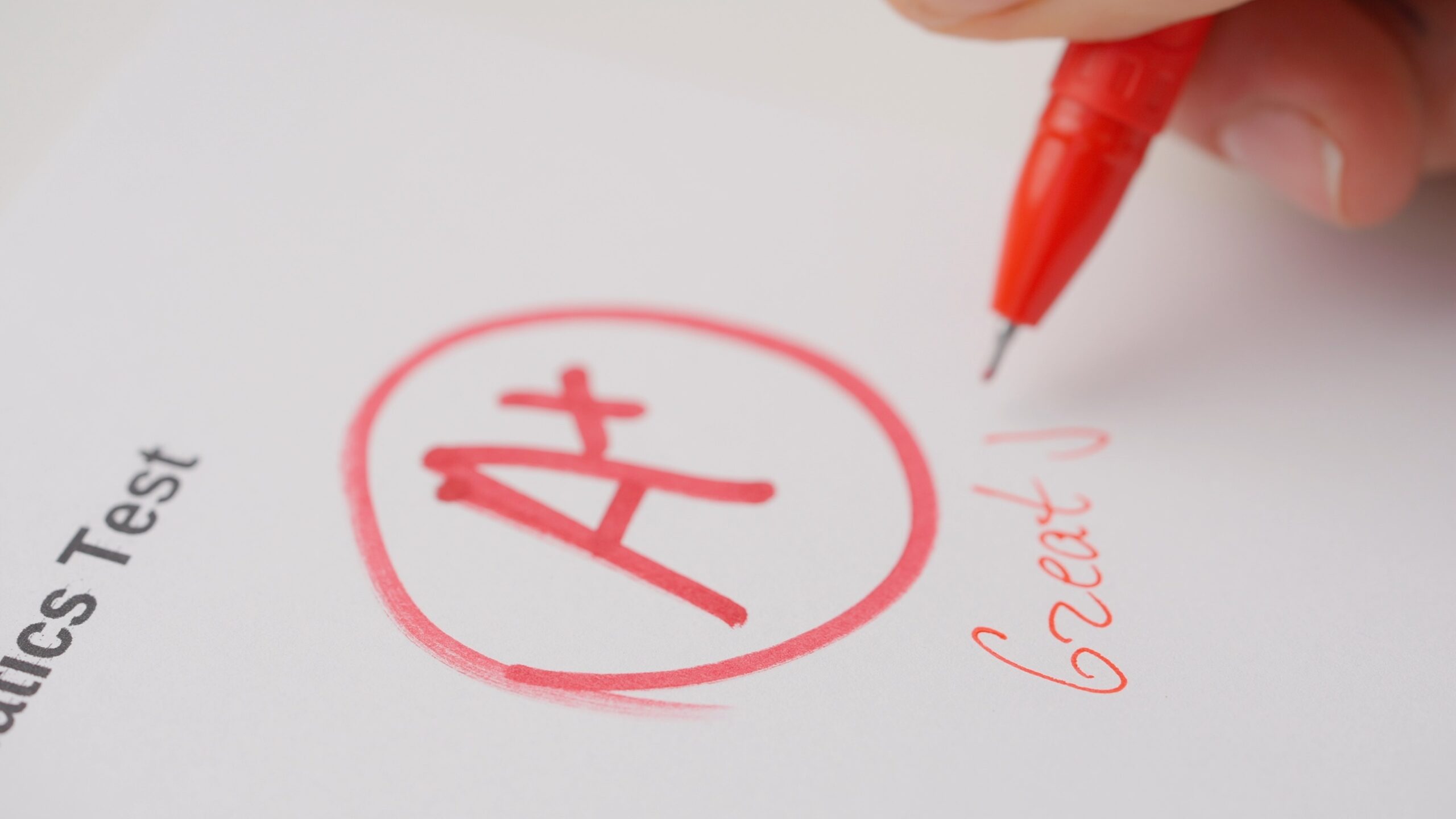
Two days.
That is how long I was gone. Chaperoning field trips for two different grade levels. When I got back to school in 2024. A pile of 450 ungraded papers sat waiting for me.
I know the drill. I have done it before. Mark them credit or no-credit. Move on.
The students did the practice. That counts for something. But here is the thing. If they were doing it wrong. No one knew. The mistake stayed. It traveled into the next unit. A silent misunderstanding.
That pile of work made me build something. An AI grading assistant.
Last April, I deleted the best part of it.
The automated return. The feature that let the AI grade, write a comment, and send it to the student before I even looked. Building it felt right. Deleting it felt like survival. It taught me what a teacher cannot hand off.
I teach engineering. My students do not write clean essays. They turn in code. Schematics. Photos of robots. Most teachers avoid AI for grading because it is slow. They paste text into chatbots. One assignment at a time. Too slow. They prefer their own hands.
So I optimized.
Mechatronics teaches you one thing. Efficiency. Eliminate the friction. The logical endpoint of my tool was auto-return. Late work. On-time work. The AI would check it against my rubric, my instructions, the handout. It would draft a grade. It would send it. No click required. I had spent hours tuning the algorithm. I thought I had won.
Then a student smiled at me.
He liked the comment on his assignment. The comment told him he could do better. He went home. Redid the work. Resubmitted it. He felt seen.
When AI Takes Control
I did not write the comment.
I had not read it. I had not touched it. If I had reviewed it. If I had nodded. If I had decided the feedback was kind but true. The story changes. But this time, the algorithm spoke for me.
The student thought I encouraged him.
Nothing the AI said was false. The facts were right. That is why it felt worse. I cannot explain it. Not in two decades of teaching. I just felt wrong. The feedback was useful. But was it mine? Did the student get my judgment when I had made no judgment at all?
So I cut it.
No auto-return. No automatic grades for late work. Instead. A dashboard. The AI drafts the grades and comments based on my rubric. It lays them out for me. I see every one. I edit. I override. I reject. Or I click send. It is still fast. But my eyes are there. My judgment touches every grade before a student sees the screen.
This changes human review. Glancing at a number and clicking approve is not review. Real review means checking the work. Owning the result.
Software can suggest. It cannot own.
New York City gets this. Their guidance says AI cannot replace teacher decision-making. Other states are writing rules too. About human review. About student data. Rules change. The principle stays. A student’s grade needs an owner.
My administrator looked at the tool. He didn’t care about the time saved.
He cared about the rubric.
Teachers write rubrics for big finals. Rarely for daily work. That daily work gets a checkmark. No feedback. With this tool. We forced clarity on low-stakes work. Students get clear expectations up front. They get comments on things that usually vanished.
He had two concerns. Fair ones.
Transparency. Put it in the syllabus. Let parents and students know AI helps grade.
Appeals. If a student hates a grade, grade it by hand again. We agreed on that. Humans mess up too. Without AI, you would re-grade. With AI, you must still re-grade.
The Easier Target
My students know about the tool.
They do not care about the tech stack. They care if it is fast. If the rubric is fair. If the grade matches the work. Sometimes the AI misses something. A screenshot cut off a line. Handwriting was faint. It docked points unfairly.
The student came to me.
I looked. I gave the points back.
Good.
But here is the surprise.
Students challenge the AI before they challenge me. A kid won’t say to my face. “You owe me ten points. You were wrong.” He lacks the spine. But he will say to me. “The AI missed this. Give me credit.”
Both of us make mistakes.
The machine is easier to fight. It takes the heat. The student speaks up. The grade passes through me. But the draft makes the confrontation possible. If a grading system scares students into silence, it is broken.
Rules of the Road
If your school wrestles with this. Start with honesty.
Do not hide behind “AI may be used.” Say what it means. “AI drafts. Teachers review.” Answer the hard questions.
Where does the data go?
Is it stored? Is it training the model? Is the platform secure? Did someone audit it?
We are not graders. We sit in IEP meetings. We call parents. We design lessons. We notice the kid who stopped talking. If an assistant hands me back hours of marking daily work, I use it for the stuff that matters. Better lessons. Real connection.
But listen.
When a student asks, “Why did I get this?”
You cannot say, “Because the system said so.”
The answer must come from you.