Cities are increasingly turning to the earth’s crust beneath their feet for sustainable heating and cooling solutions. Rostoucí počet městských geotermálních projektů, jako je nedávno dokončený mrakodrap Riverie v Brooklynu, ukazuje, jak hustě osídlené městské oblasti mohou využít stabilní podzemní teploty k výraznému snížení závislosti na fosilních palivech. Nejedná se o výrobu energie v hlubinách Země, ale o napojení na trvalý tepelný zdroj jen desítky nebo stovky stop pod povrchem.
Riverie: Významný projekt
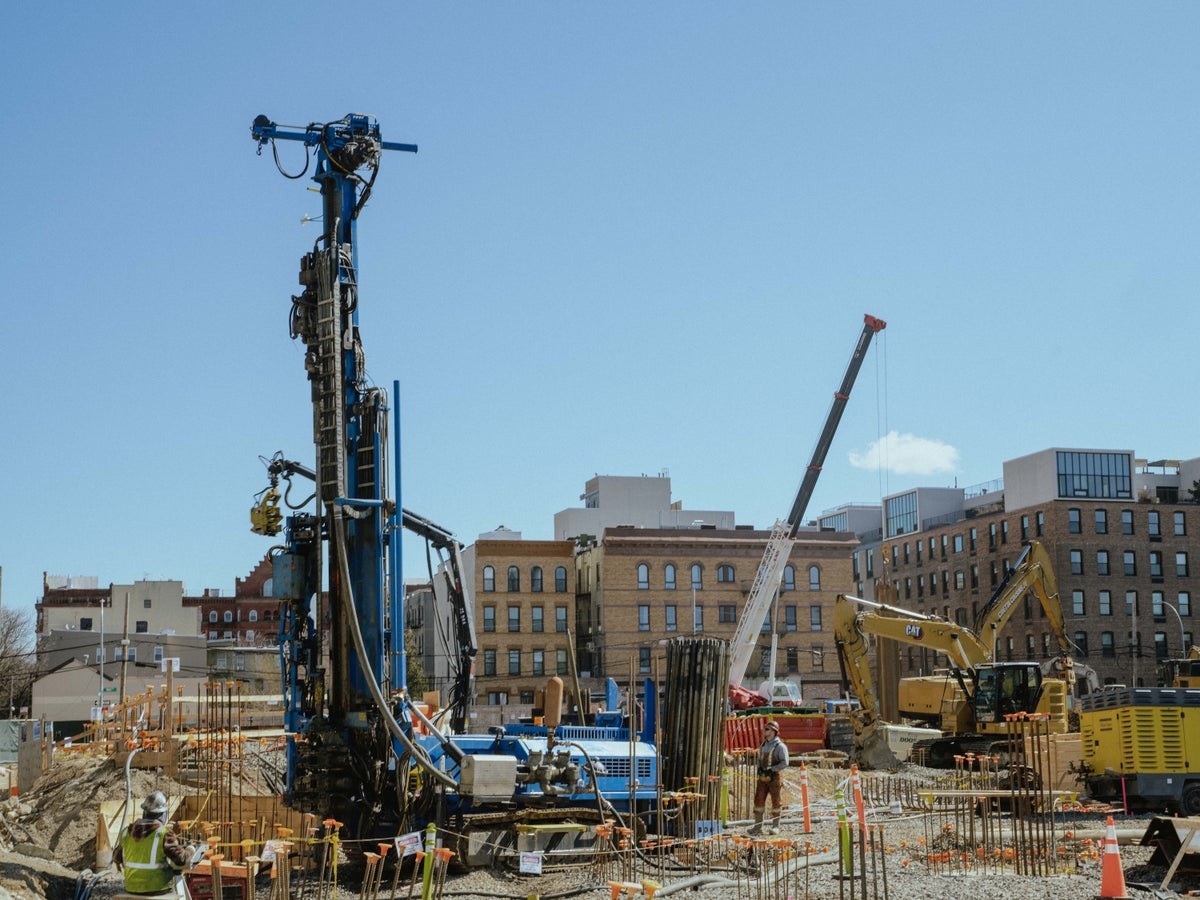
Riverie je skvělým příkladem tohoto trendu. S 320 studnami vyvrtanými do hloubky téměř 500 stop je to v současnosti největší geotermálně vytápěná obytná budova ve státě New York a největší výškový geovýměnný systém ve Spojených státech. Vývojáři Lendlease strategicky nainstalovali systém před položením základů budovy – kritický krok vzhledem k trvalé podzemní povaze systému. The sheer scale is impressive: 65 miles of pipework connected to 1,100 heat pumps in an 834-unit building.
Jak funguje městská geotermální energie
Na rozdíl od tradičních geotermálních elektráren, které odebírají teplo z míle hluboko, městské systémy využívají relativně stabilní teploty nacházející se v blízkosti povrchu. The first 100 meters (328 feet) of land acts as a thermal sponge, absorbing and releasing heat from urban activity. Below this depth, the natural geothermal gradient takes control, ensuring consistent temperatures year-round.
V Riverie cirkuluje tekutá směs trubkami ve tvaru U (podzemními smyčkami) uloženými pod budovou. In winter, this liquid absorbs heat from the ground and is concentrated using a compressor before being circulated into the indoor air. In summer the process is reversed: excess heat is returned to the ground. This system relies on geothermal heat pumps, which efficiently transfer thermal energy rather than generating it from scratch.
Technické problémy a řešení
Installing such a system in a dense urban environment presents unique challenges. Riverie’s riverside location required specialized drilling techniques to prevent boreholes from collapsing in the loose, water-saturated soil. Souprava s dvojitou rotací – která současně otáčí jak vnitřní vrtnou trubkou, tak vnějším ocelovým pláštěm – poskytovala stabilitu při vrtání do hloubky 499 stop.
Engineers used steel casing to protect the wells from groundwater and high-strength, corrosion-resistant polyethylene pipes for durability. Bylo zjištěno, že geologické horninové podmínky na místě jsou ideální pro účinný přenos tepla, i když bylo stále nutné pečlivé řízení, aby se zabránilo přehřátí.
Význam kontinuálního řízení
The success of urban geothermal energy depends on more than just the installation; Continuous monitoring and management are critical. Diverso Energy CEO Tim Weber emphasizes that an uncontrolled geothermal field can overheat. One key strategy is to use excess heat in the summer to preheat water for the building’s boiler, balancing the overall system temperature. The cost of failure is high: failure in the underground system is unacceptable given its important role in controlling the building climate.
Urban geothermal energy represents a transition to more sustainable infrastructure. Vzhledem k tomu, že města čelí rostoucímu tlaku na snižování emisí, využívání přírodních tepelných zdrojů Země se pravděpodobně stane běžnou praxí spíše než pouhou inovativní výjimkou.